Homepage

OUR MISSION

Our mission is to provide accessible, science-informed educational information about cardiovascular health. We focus on increasing awareness of emerging research related to diet, exercise, medical therapies, and other lifestyle considerations.

OUR SERVICES

We provide:

  • Educational information regarding cardiovascular health
  • Assistance preparing for medical appointments
  • Support organizing health information
  • General lifestyle education related to heart health

We do not provide medical services.

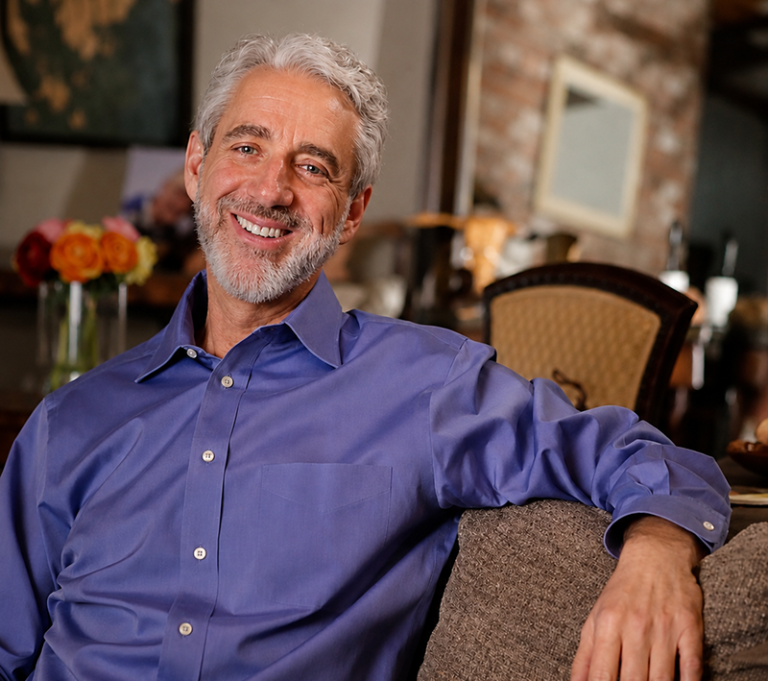
DR. PETER MEGDAL

I have been an active cyclist since the thrill of my first race in my late teens. My early commitment to competitive cycling has afforded me advantages in life. First, I have always tried to figure out how to go faster on the bike. Since weight is a key factor to speed, this focus led to an interest in diet. Second, the exercise helped inoculate me from diabetes that has plagued my entire family. Alas, I was not able to avoid heart disease.

That is what has brought me to this mission.

Curing Heart Disease, LLC provides educational and advocacy services only. We do not diagnose, treat, cure, or prevent any disease. Nothing on this website or in our services constitutes medical advice or establishes a provider-patient relationship. Always consult a licensed healthcare professional regarding medical conditions or treatment decisions.

ABOUT PETER MEGDAL, PhD

Disclaimer: All content and media on the Curing Heart Disease, LLC website are provided for informational and educational purposes only and are not a substitute for professional medical advice, diagnosis, or treatment. Always seek the advice of your physician or other qualified health provider with any questions regarding a medical condition or treatment. Never disregard professional medical advice or delay seeking it because of something you have read or heard on this website. If you believe you may have a medical emergency, call 911 (or your local emergency number) immediately. Use of this website does not create a physician–patient relationship. Medical knowledge evolves and information may become outdated; we make no guarantees regarding completeness or accuracy. Any reliance on information provided by Curing Heart Disease, LLC is solely at your own risk. Results and outcomes vary and are not guaranteed. If this website includes links to third-party products or services, those links are provided for convenience; we are not responsible for third-party content.

OPTIMIZING CARDIOVASCULAR HEALTH THROUGH PLANT-BASED NUTRITION AND LIPID MANAGEMENT*

*This protocol is for educational purposes and is not an FDA-approved medical treatment for the reversal of disease.

Study of elite 55 year old competitive cyclist who reversed his heart disease.

1 year of treatment resulted in:

  • Maximum oxygen uptake (V02 Max) increased from 56 to 65 mL/kg/min
  • Treatment resulted in going from local/ state ranked cyclist to world class including a National record holder and a 4th place at the World Championships

Study of elite 55 year old competitive cyclist who reversed his heart disease.

  • Used Lipid medications, diet, exercise and meditation

Study of elite 55 year old competitive cyclist who reversed his heart disease.

  • Cholesterol dropped from 195 to 76 mg/dL
  • Reduced ischemia to heart (increased blood flow)

HEART DISEASE IS THE
LEADING CAUSE OF DEATH.1

40

HEART ATTACKS

In the United States, someone has a heart attack every 40 seconds.3

36

HEART ATTACK DEATHS

Someone dies every 36 seconds in our country from cardiovascular disease.1

655 k

YEARLY TOTAL

About 655,000 Americans die from heart disease each year.2

805 k

YEARLY ATTACKS

Every year, about 805,000 Americans have a heart attack.3

Every year in the United States:

  • 605,000 are a first heart attack3
  • 200,000 happen to people who have already had a heart attack3
  • About 1 in 5 heart attacks is silent — the damage is done, but the person is not aware of it.3
  1. Centers for Disease Control and Prevention. Underlying Cause of Death, 1999–2018. CDC WONDER Online Database. Atlanta, GA: Centers for Disease Control and Prevention; 2018. Accessed March 12, 2020.
  2. Virani SS, Alonso A, Benjamin EJ, Bittencourt MS, Callaway CW, Carson AP, et al. Heart disease and stroke statistics—2020 update: a report from the American Heart Associationexternal icon. 2020;141(9):e139–e596.
  3. Fryar CD, Chen T-C, Li X. Prevalence of uncontrolled risk factors for cardiovascular disease: United States, 1999–2010 pdf icon[PDF-494K]. NCHS data brief, no. 103. Hyattsville, MD: National Center for Health Statistics; 2012. Accessed May 9, 2019.

Cardiovascular Disease

OUR CLINICAL CASE STUDY

Plant-Based Diet with Lipid Medications Superior to Stent in Restoring Aerobic Exercise Capacity to Middle-Aged Athlete

Longitudinal observation of a 55-year-old competitive cyclist focusing on heart health optimization.

​Over a 12-month period, the following markers were documented:

  • Aerobic Capacity: Maximum oxygen uptake (VO_2 Max) increased from 56 to 65 mL/kg/min.
  • Performance Benchmarks: Improved from local/state rankings to world-class status, including a National Record and 4th place at the World Championships.

Notice: The results described above are specific to one individual and are not a guarantee of similar outcomes. This information does not constitute medical advice. Always consult with a healthcare professional before beginning any new diet or medication regimen.

Testimonials reflect individual experiences. Results vary. No outcome is guaranteed.

Warning

HEART DISEASE
NUMBER ONE KILLER

2353

Deaths each day from CVD

795000

Strokes each year

401

Deaths from Stroke Each Day

LATEST NEWS & BLOGS

For decades, the public has been told that a daily glass of wine might be the secret to longevity. This belief largely stems from the so-called J-shaped curve—a statistical pattern suggesting that light drinkers experience better cardiovascular outcomes than both heavy drinkers and people who abstain entirely. The implication was comforting: a little alcohol could be protective.
Most people think there’s one perfect diet for a long life. But emerging science suggests something far more interesting: the rules of healthy eating actually change as we age. What protects you at 45 may not protect you at 85. Longevity isn’t about sticking to the same nutrition plan forever — it’s about adapting to your body’s shifting biology. And according to new research, age 65 appears to be a major turning point.
The identification of individuals at extreme risk for atherosclerotic cardiovascular disease (ASCVD) and sudden cardiac death (SCD) has transitioned from a reliance on population-based probability models to a more granular, individualistic assessment of genetic architecture. Central to this transition is the "gene dosing" model of inheritance, which provides a quantitative framework for understanding how the accumulation of pathogenic alleles within a family unit correlates with the temporal onset of clinical disease.
If you’ve heard that “plant-based eating helps you live longer,” you’re not wrong—but it’s not the whole story. The best evidence suggests something more interesting: the diet that helps you most at 50 may not be the same diet that helps you most at 90.
The Hook: Deconditioning vs. Aging Many of us view the heart’s decline as an inevitable slide into obsolescence, but the reality is more hopeful. The heart is not a ticking time bomb of decay; it is an adaptable muscle waiting for the right stimulus. The landmark Dallas Bed Rest and Training Study proved that just 20 days of total inactivity aged the hearts of 20-year-olds by more than 30 chronological years.
Receive the latest news

Subscribe To Our Newsletter

Get notified about new articles.

Email Us