
Twin Scenarios: Lifestyle versus Pharmacotherapy
A Comparative 40-Year Cardiometabolic Longevity Model in Identical Male Triplets
Abstract
This clinical research review models the divergent 40-year health trajectories of identical male triplets (genetically identical siblings, here labeled Twin A, Twin B, and Twin C by convention), all beginning at age 30 with an identical genome, a normal body mass index (BMI 23 kg/m²), optimal insulin sensitivity, a baseline cardiorespiratory fitness (VO₂max) of approximately 48 mL·kg⁻¹·min⁻¹, and no subclinical cardiovascular disease. Holding genetic and early-life exposures constant, the model isolates the physiological consequences of lifestyle versus pharmacotherapy. Twin A adopts a sedentary, hypercaloric Western pattern and is treated from age 40 with state-of-the-art preventive pharmacotherapy; Twin B maintains an elite athletic lifestyle and whole-food plant-based diet without preventive medication; Twin C layers the same pharmacotherapy onto Twin B’s elite lifestyle. Across lipid exposure, vascular biology, metabolic health, cardiorespiratory fitness, and all-cause mortality, the convergent finding is that pharmacotherapy reliably normalizes circulating biomarkers but cannot reconstitute the structural and functional reserves conferred by lifelong fitness. The lowest modeled risk is achieved by the combined strategy (Twin C), though this benefit is an extrapolation from short- and intermediate-term randomized trials and carries an athlete-specific tolerability cost. Throughout, established randomized-trial evidence is distinguished explicitly from cohort association and mechanistic extrapolation.
Evidence framing. Quantitative claims are tagged by tier where the distinction is material: [RCT] randomized controlled trial; [MA] meta-analysis; [COH] observational cohort; [OBS] other observational study; [CON] society consensus statement; [MECH] mechanistic inference or modeled extrapolation. Forty-year trajectories are modeled projections; the underlying trials are of substantially shorter duration and are labeled accordingly.
1. Introduction and Twin Modeling Framework
To isolate the physiological impacts of aggressive medical management versus an elite athletic lifestyle, this review models the divergent trajectories of identical male triplets followed from age 30 to age 70. The identical-sibling framework holds genetic baseline risk, early-life environmental exposures, and congenital cardiovascular predispositions constant, so that downstream differences are attributable to behavior and pharmacology rather than heredity. This device is not merely rhetorical: the recently completed Stanford identical-twin randomized trial demonstrated that within monozygotic pairs, an 8-week dietary divergence alone produced a between-pair low-density lipoprotein cholesterol (LDL-C) difference of 13.9 mg/dL (95% CI, 2.4–25.3) and a fasting-insulin difference of 2.9 µIU/mL (95% CI, 0.4–5.3), confirming that lifestyle exerts measurable, genetics-independent cardiometabolic effects even over short horizons. [3]
At baseline, all three siblings share an identical genome, a BMI of 23 kg/m², optimal insulin sensitivity (HOMA-IR < 1.5), a VO₂max of approximately 48 mL·kg⁻¹·min⁻¹, and no subclinical disease. Over the subsequent 40 years their choices diverge systematically:
Scenario A (Twin A — Sedentary + Pharmacologically Optimized). Adopts a sedentary lifestyle, consumes a hypercaloric Western diet rich in ultra-processed foods and saturated fat, and develops clinical obesity. From age 40, Twin A receives aggressive modern pharmacotherapy: high-intensity statin plus ezetimibe plus a PCSK9 inhibitor, a dual incretin agonist (GLP-1/GIP receptor agonist), multiple antihypertensive agents, and metformin.
Scenario B (Twin B — Fit Lifestyle Only). Remains highly athletic, training approximately 10 hours per week (a structured mix of high-volume low-intensity aerobic work, high-intensity intervals, and resistance training). Twin B maintains a lean body composition and a whole-food plant-based diet, prioritizes sleep, avoids tobacco, and takes no preventive cardiometabolic medication unless acutely indicated.
Scenario C (Twin C — Fit Lifestyle + Pharmacologically Optimized). Maintains the identical elite lifestyle and body composition as Twin B but selectively layers on the same lipid-lowering and blood-pressure pharmacotherapy (statin, ezetimibe, PCSK9 inhibitor, and low-dose antihypertensive as indicated) to drive atherogenic lipoproteins, blood pressure, and inflammatory markers to the lowest physiologically achievable levels. Unlike Twin A, Twin C is not assumed to require a dual incretin agonist for weight or glycemic control; such therapy is reserved for a specific clinical indication, since Twin C is already lean and insulin-sensitive.
The model asks two questions: whether modern pharmacology can fully compensate for a sedentary lifestyle and poor diet, and whether combining elite fitness with advanced preventive pharmacology yields superior protection beyond either alone.
2. Lipid and Lipoprotein Dynamics and Cumulative Atherogenic Exposure
2.1 Cumulative ApoB and LDL-C Atherogenic Exposure
The causal role of LDL-C and, more precisely, apolipoprotein B (ApoB)-containing lipoproteins in the initiation and progression of atherosclerotic cardiovascular disease (ASCVD) is firmly established by genetic, epidemiologic, and interventional evidence [CON] [1]. Atherogenesis begins with the retention and entrapment of these particles within the arterial intima, and plaque burden accrues as a cumulative function of both circulating particle concentration and the duration of exposure—conceptually analogous to “pack-years” in smoking [CON] [1].
In Twin A, a hypercaloric Western diet sustains high circulating LDL-C (≈130 mg/dL) and ApoB (≈105 mg/dL) between ages 30 and 40. Although triple lipid-lowering therapy from age 40 (high-intensity statin + ezetimibe 10 mg + evolocumab 140 mg every two weeks) lowers LDL-C by more than 80% to an ultra-low level (≈25–30 mg/dL; ApoB ≈35 mg/dL) [RCT] [5], Twin A has already accumulated a decade of elevated “ApoB area-under-the-curve” during a formative window. Mendelian-randomization evidence indicates that lifelong low exposure to LDL beginning early in life confers a substantially greater relative reduction in coronary heart disease risk per unit of LDL than the same absolute reduction initiated later [CON/MECH] [1]. Consequently, late-onset clearance cannot fully neutralize the intimal retention established in early adulthood—an inference from genetic causal modeling rather than from a trial of pharmacologic lowering started at age 30.
Twin B maintains a stable lifelong LDL-C of approximately 80 mg/dL (ApoB ≈75 mg/dL) through a whole-food plant-based diet and high training volume; randomized dietary trials confirm that vegetarian and vegan patterns lower LDL-C and ApoB relative to omnivorous controls [MA] [4]. While Twin B avoids the early high-exposure decade, a slow, steady accrual of ApoB exposure persists across 40 years. Twin C achieves the lowest cumulative exposure: beginning from a favorable lifestyle baseline, the addition of ezetimibe and a PCSK9 inhibitor drives circulating LDL-C to 20–30 mg/dL and ApoB to roughly 30 mg/dL early in adulthood—levels that, in FOURIER, were attained safely (42% of treated patients reached LDL-C < 25 mg/dL) [RCT] [5]. FOURIER was a secondary-prevention trial in patients with established cardiovascular disease, so what transfers to these younger, lower-risk profiles is the pharmacodynamic capacity of combination therapy to lower LDL-C by this magnitude—a drug effect that is consistent across baseline-risk strata—rather than FOURIER’s specific event-rate reduction, which is not assumed here [MECH]. This minimizes the substrate available for intimal retention across the entire window.. Throughout, the LDL-C figures are well supported by trial data, whereas the corresponding ApoB values are modeled estimates derived from typical LDL–ApoB concordance rather than directly trial-observed outcomes.
2.2 Triglycerides, HDL-C, and Lipoprotein(a) Dynamics
In Twin A, the sedentary, hypercaloric state produces the classical atherogenic dyslipidemia triad: elevated triglycerides (≥200 mg/dL), low HDL-C (<40 mg/dL), and an abundance of small, dense LDL particles [COH] [7]. In the Cooper Center Longitudinal Study, maintaining or improving cardiorespiratory fitness over time was associated with roughly 44% lower odds of developing atherogenic dyslipidemia (odds ratio 0.56; 95% CI, 0.34–0.91), although the simple baseline fitness association attenuated toward non-significance after adjustment for baseline lipids—an honest limitation of the observational design [COH] [7].
Statin and incretin therapy partially correct Twin A’s triad by lowering triglycerides and modestly raising HDL-C, but persistent insulin resistance continues to drive hepatic overproduction of very-low-density lipoproteins. Lipoprotein(a) [Lp(a)] is an independent, largely genetically determined risk factor; because all three siblings share a genome, baseline Lp(a) is identical. In Twins A and C, evolocumab reduces Lp(a) by a median of approximately 27% (interquartile range, 6–47%) [RCT] [6]. In Twin B, the absence of pharmacotherapy leaves Lp(a) at its genetic set-point; however, the pathogenicity of Lp(a) is amplified by background inflammation and endothelial dysfunction, so Twin B’s exceptionally low systemic inflammation and preserved endothelial function plausibly attenuate—though do not eliminate—the particle’s atherogenicity [MECH].
2.3 Systemic Inflammation and High-Sensitivity C-Reactive Protein
Twin A’s visceral adiposity sustains chronic low-grade inflammation, with high-sensitivity C-reactive protein (hs-CRP) typically in the higher-risk range (>2–3 mg/L). Initiation of a dual incretin agonist mitigates visceral fat and lowers inflammatory tone; in SELECT—which enrolled patients with established cardiovascular disease and overweight or obesity but without diabetes—semaglutide reduced major adverse cardiovascular events by 20% (hazard ratio 0.80; 95% CI, 0.72–0.90), an effect attributed partly to weight loss and partly to anti-inflammatory and direct vascular pathways [RCT] [8]. Applying this benefit to Twin A is an extrapolation, since Twin A is modeled in a primarily preventive context rather than the secondary-prevention population SELECT studied [MECH]. High-intensity statins further reduce hs-CRP through direct anti-inflammatory effects. Twin B maintains low inflammation naturally (hs-CRP < 1 mg/L) through regular aerobic exercise and a plant-based diet, and Twin C exhibits the most profound suppression by combining exercise with pharmacologic anti-inflammatory effects (hs-CRP often < 0.5 mg/L) [COH/MECH] [9].
3. Vascular Compliance, Blood Pressure, and Atherosclerosis Progression
3.1 Coronary Artery Calcium and the CAC-Modified LDL Relationship
Coronary artery calcium (CAC) scoring quantifies calcified plaque burden. In the Western Denmark Heart Registry (n = 23,132), each 38.7 mg/dL (1 mmol/L) increment in LDL-C was associated with higher ASCVD (adjusted hazard ratio 1.14; 95% CI, 1.04–1.24) and myocardial infarction (adjusted hazard ratio 1.28; 95% CI, 1.13–1.44) [COH] [2]. Critically, this association was concentrated in patients with established coronary atherosclerosis: among those with CAC = 0, LDL-C was not a significant predictor of ASCVD (adjusted hazard ratio 1.02; 95% CI, 0.87–1.18) [COH] [2]. This “power of zero” nuance matters for young, asymptomatic individuals; however, a companion analysis demonstrates that even at CAC = 0, higher LDL-C predicts non-calcified plaque and incident coronary heart disease, with the strongest gradient in those aged ≤45 years (hazard ratio ≈1.37 per mmol/L) [COH] [10]. The two findings are reconciled by recognizing that calcification lags lipid-driven plaque initiation—supporting early ApoB control in all three siblings despite a likely zero CAC at age 30.
In Twin A, the untreated decade promotes early plaque formation; aggressive therapy from age 40 arrests new soft-plaque growth and promotes stabilization, but the CAC score will likely continue to rise as existing plaques mature and calcify. This apparent paradox is well documented: intensive statin therapy increases dense calcium volume even as it regresses total atheroma, reflecting plaque stabilization rather than progression of disease [COH] [11]. Twin B exhibits low lipid- and inflammation-driven plaque initiation, but the relationship between lifelong high-volume endurance exercise and coronary calcium is not straightforward: in the Master@Heart study, lifelong endurance athletes had a higher prevalence of coronary plaques—including calcified, mixed, and non-calcified plaques—than fit healthy controls, despite their low event risk [COH] [24]. Twin B is therefore best described as having a low atherogenic-driven plaque burden and a low event risk, rather than a guaranteed low or zero calcium score. Twin C approaches the theoretical minimum for atherogenic, lipid-driven plaque accrual because circulating ApoB is held very low from early adulthood, intimal lipoprotein entrapment is minimized [CON/MECH] [1]. Even so, a score of exactly zero cannot be guaranteed for any individual—CAC = 0 does not equal zero lifetime risk, and high training volume may itself raise measured calcium—so the defensible claim is a low, not null, atherogenic plaque burden.
3.2 Blood Pressure, Endothelial Function, and Vascular Compliance
Chronic sedentary behavior and obesity in Twin A drive arterial stiffening, collagen deposition, and declining endothelial nitric-oxide synthase activity. Although Twin A’s blood pressure is controlled to a target below 130/80 mmHg using an ACE inhibitor (lisinopril) and a calcium-channel blocker (amlodipine), pharmacotherapy does not fully restore intrinsic arterial elasticity or endothelial function; Twin A retains subclinical stiffness, elevated central aortic pressure under stress, and impaired flow-mediated dilation. Twin B preserves vascular compliance naturally: high-volume aerobic exercise imposes recurrent pulsatile shear stress that sustains nitric-oxide production and prevents maladaptive remodeling, so that at age 70 the arteries remain elastic with low pulse-wave velocity [CON] [9]. Twin C exhibits a synergistic profile, adding low-dose antihypertensive therapy where indicated to already-compliant vessels, protecting cerebral, renal, and coronary microvasculature from transient exercise-induced systolic spikes.
4. Metabolic Profiles, Glycemic Control, and Body Composition
4.1 Insulin Resistance, Glycemic Control, and Hepatic Pathology
Twin A develops hepatic and systemic insulin resistance with ectopic lipid accumulation (metabolic dysfunction-associated steatotic liver disease). A dual GIP/GLP-1 receptor agonist from age 40 substantially reverses this pathology—delaying gastric emptying, suppressing appetite, enhancing glucose-dependent insulin secretion, and reducing hepatic de novo lipogenesis—and, with metformin, normalizes HbA1c (to roughly 5.7%) and resolves steatosis [RCT] [8]. Yet because Twin A remains sedentary, non-insulin-mediated glucose disposal capacity stays limited. Twins B and C maintain exceptional insulin-independent metabolic health: skeletal muscle is the principal site of postprandial glucose uptake, and regular high-volume exercise drives insulin-independent GLUT4 translocation, yielding low fasting insulin, HOMA-IR < 1.5, HbA1c < 5.4%, and a near-absent lifetime risk of type 2 diabetes without medication [CON/MECH] [9].
4.2 Visceral Fat, Sarcopenic Obesity, and Lean-Mass Retention
A central risk of pharmacologically induced weight loss is non-selective depletion of body compartments. In the STEP-1 body-composition substudy, semaglutide reduced total fat mass by 19.3% and total lean mass by 9.7%; notably, the proportion of lean mass actually rose by roughly three percentage points, indicating an overall improvement in body composition [RCT] [13]. Across agents, lean tissue represents an estimated 26–40% of total weight lost (and up to 40–60% in some cohorts), with the proportion strongly dependent on protein intake and resistance training [MA] [14].
Because Twin A is sedentary and consumes relatively little protein, incretin-induced weight loss carries a higher risk of clinically meaningful muscle loss, predisposing to sarcopenic obesity—a high ratio of visceral fat to skeletal muscle that lowers basal metabolic rate, impairs strength, raises fall risk, and promotes weight regain if therapy stops [MA] [14]. Twin B preserves high muscle mass and minimal visceral adiposity through weekly resistance and aerobic training paired with sufficient plant-based protein. Twin C, in the rare event an incretin agent were clinically indicated, would blunt the muscle-wasting signal through concurrent training and structured protein intake, retaining functional muscle; absent such an indication, Twin C maintains optimal body composition through lifestyle alone [MA/MECH] [14].
5. Cardiorespiratory Fitness, Mitochondrial Health, and Heart Failure
5.1 VO₂max, Mitochondrial Function, and Physical Independence
Cardiorespiratory fitness is among the most powerful predictors of mortality. In the Cleveland Clinic cohort of 122,007 patients undergoing treadmill testing, Mandsager and colleagues observed an inverse, log-linear relationship between fitness and all-cause mortality with no upper limit of benefit [COH] [12]. Elite performers had roughly 80% lower adjusted mortality than low performers (adjusted hazard ratio 0.20; 95% CI, 0.16–0.24), and—stated conversely—low fitness carried an adjusted hazard ratio of 5.04 (95% CI, 4.10–6.20) relative to elite fitness, a risk exceeding that of coronary artery disease (1.29), smoking (1.41), diabetes (1.40), and end-stage renal disease (2.16) [COH] [12].
Twin A, sedentary for 40 years, declines to a VO₂max of roughly 18–20 mL·kg⁻¹·min⁻¹ by age 70—near the threshold required to preserve independent activities of daily living—with depleted skeletal-muscle mitochondrial density and impaired enzymatic activity. No pharmacologic agent reproduces the physiological adaptations that raise VO₂max [CON] [9]. Twins B and C sustain a structured high-volume program and retain a VO₂max of approximately 42–48 mL·kg⁻¹·min⁻¹ at age 70—an elite stratum for their age—supported by dense, efficient mitochondrial networks, high stroke volume, and superior oxygen extraction, translating to a markedly lower all-cause mortality hazard [COH] [12].
5.2 Heart Failure Pathophysiology and Prevention
The risk of heart failure with preserved ejection fraction (HFpEF) rises with age, sedentary behavior, obesity, and arterial stiffness. In Twin A, obesity, visceral adiposity, and low-grade inflammation promote myocardial fibrosis and concentric remodeling; while incretin therapy and blood-pressure control reduce preload and afterload [RCT] [8], the absence of exercise denies the eccentric remodeling that confers diastolic reserve, leaving elevated HFpEF risk. Twins B and C are strongly protected against both HFpEF and heart failure with reduced ejection fraction: sustained aerobic training preserves left-ventricular compliance, prevents pathological chamber stiffening, and optimizes diastolic filling [CON/MECH] [9].
6. Longevity, Oncologic Risk, and All-Cause Mortality
All-cause mortality reflects the cumulative burden of cardiovascular, metabolic, oncologic, and neurodegenerative disease. A meta-epidemiological analysis by Naci and Ioannidis comparing exercise with drug interventions across 305 randomized trials (339,274 participants) found broadly comparable mortality effects for the secondary prevention of coronary heart disease and prediabetes, while in stroke rehabilitation exercise was more effective than anticoagulant therapy—an important but cautiously framed result resting on relatively few exercise trials [MA] [15].
Twin A’s profile features a substantial reduction in cardiovascular mortality from lipid-lowering, antihypertensive, and incretin therapy [RCT] [8], but persistently elevated non-cardiovascular mortality: sedentary behavior and obesity are associated with increased incidence of colorectal, endometrial, and postmenopausal breast cancers, while low fitness and reduced muscle mass elevate susceptibility to infection, frailty, and fall-related injury. Twin B exhibits low cardiovascular and all-cause mortality through fitness, lean mass, and a plant-based pattern. Twin C achieves the lowest modeled all-cause mortality by combining the multi-system benefits of an elite lifestyle with targeted plaque-stabilizing pharmacology—though this represents an extrapolation beyond the duration of any single trial [MECH].
6.1 Cognitive Health, Physical Function, and Healthspan
In Twin A, insulin resistance, inflammation, and microvascular stiffening accelerate brain aging and raise the risk of vascular and Alzheimer-type dementia, while low physical capacity hastens entry into frailty. Twins B and C are protected: high cardiorespiratory fitness is associated with preserved brain volume, enhanced neuroplasticity, and lower cognitive-impairment incidence, and retained muscle mass preserves independence and mobility into senescence [CON] [9].
7. Medication Adherence, Tolerability, and Athlete-Specific Interactions
7.1 Long-Term Adherence, Side Effects, and Economic Costs
A lifelong multi-drug regimen poses adherence and tolerability challenges. Dual incretin agonists carry high rates of gastrointestinal symptoms: in pooled STEP analyses, nausea affected 43.9% of treated participants versus 16.1% on placebo, diarrhea 29.7% versus 15.9%, vomiting 24.5% versus 6.3%, and constipation 24.2% versus 11.1%, with about 4.3% discontinuing for gastrointestinal events [RCT] [16]. GLP-1 receptor agonists also elevate gallbladder and biliary disease risk: in a meta-analysis of 76 trials (103,371 participants), the relative risk was 1.37 (95% CI, 1.23–1.52) for composite biliary disease, 1.27 (95% CI, 1.10–1.47) for cholelithiasis, and 1.36 (95% CI, 1.14–1.62) for cholecystitis [MA] [17]. Brand-name incretins, PCSK9 inhibitors, and high-intensity lipid therapy also represent a substantial cumulative cost over three to four decades, whereas Twin B’s lifestyle-first approach incurs minimal direct medical cost but a high personal time commitment.
7.2 Athlete-Specific Pharmacological Conflicts
For Twin C, layering pharmacotherapy onto an elite lifestyle introduces athlete-specific conflicts. Statin-associated muscle symptoms (SAMS) affect roughly 10% of statin users in observational series (range 5–25%), although blinded trials attribute only 1–2% to a true pharmacologic effect [CON] [20]; in the 7,924-patient PRIMO study of high-dose statin therapy, muscular symptoms occurred in 10.5% with a median onset of one month [COH] [19]. This observational signal must be weighed against blinded randomized evidence: in the Cholesterol Treatment Trialists’ individual-participant meta-analysis of 23 trials, statins raised muscle-symptom reports by only about 3% relative to placebo, with roughly one in fifteen such reports attributable to the drug and essentially no excess beyond the first year [MA] [30]. The athlete-specific concern is therefore real but should not be overstated. Mechanistically, high-dose atorvastatin progressively reduces skeletal-muscle mitochondrial respiratory capacity in humans, a plausible substrate for exercise intolerance that may be amplified by repeated training-induced micro-injury [MECH] [18]. Twin C may therefore face a trade-off between maximal lipid targets and peak training capacity, manageable by hydrophilic-statin selection, dose adjustment, or non-statin substitution—though the evidence for a measurable performance decrement in athletes remains observational rather than randomized [MECH].
8. Structured Comparative Evidence
Table 1. Projected Cardiometabolic and Physiological Profiles at Age 70
| Parameter / Biomarker | Twin A: Sedentary + Medicated | Twin B: Fit Lifestyle Only | Twin C: Fit + Medicated |
| LDL-C / ApoB (ApoB modeled) | Ultra-low from age 40 (LDL ≈25–30; ApoB ≈35, modeled) [5] | Moderate-low from age 30 (LDL ≈80; ApoB ≈75, modeled) [4] | Ultra-low from early adulthood (LDL 20–30; ApoB ≈30, modeled) [5] |
| VO₂max (mL·kg⁻¹·min⁻¹) | Low (≈18–20) [12] | Elite (≈42–48) [12] | Elite (≈42–48) [12] |
| Body composition / lean mass | Sarcopenic obesity (high visceral fat, low muscle) [14] | Highly lean, preserved muscle [13] | Extremely lean, preserved muscle [14] |
| Insulin resistance (HOMA-IR / HbA1c) | Pharmacologically controlled (HbA1c ≈5.7%) [8] | Endogenously excellent (HOMA-IR <1.5; HbA1c <5.4%) [9] | Optimal (HOMA-IR <1.5) [9] |
| Blood pressure / compliance | Controlled <130/80 via drugs; impaired elasticity [9] | Naturally ≈110/70; high compliance [9] | ≈110/70; maximized compliance [9] |
| hs-CRP | Moderate, drug-controlled (<2 mg/L) [8] | Low (<1 mg/L) [9] | Ultra-low (<0.5 mg/L) [9] |
| Coronary artery calcium | Moderate-to-high calcified plaque [11] | Low atherogenic burden; CAC variable in lifelong endurance athletes [2][24] | Low atherogenic burden (not guaranteed zero) [2] |
| Sarcopenia / frailty risk | High (sedentary + weight loss) [14] | Low (high reserve) [14] | Low (high reserve) [14] |
| Medication side-effect burden | High (GI distress, biliary risk) [16][17] | None | Moderate (SAMS, hypotension) [19][20] |
| Financial / adherence cost | High lifetime cost, pill + injection burden [16] | Low cost; high time commitment | High cost; athlete-specific side effects [20] |
Table 1. The cell entries are modeled scenario projections at age 70, informed by the cited evidence; they are not values observed in the cited trials. Bracketed numbers identify the supporting source, not a measurement made in that twin. Biomarker targets (e.g., ApoB) are modeled estimates as noted.
Table 2. Comparative Clinical Efficacy and Outcome Profiles
| Outcome dimension | Twin A: Sedentary + Medicated | Twin B: Fit Lifestyle Only | Twin C: Fit + Medicated |
| MACE risk reduction | High (lipid + incretin therapy; SELECT HR 0.80) [5][8] | High (≈80% lower mortality hazard with elite fitness) [12] | Highest (combined lifestyle + maximal drug efficacy) [5][12] |
| Heart failure (HFpEF) prevention | Moderate (drug-aided, obesity-limited) [8] | High (athletic ventricular compliance) [9] | Highest (synergy of exercise + medication) [9] |
| Stroke prevention | High (controlled BP + low LDL) [2] | High (vascular compliance, fitness) [15] | Highest (maximized vascular + physical reserve) [2] |
| Sarcopenia / physical function | Poor (low activity, muscle loss) [14] | Excellent (high muscle mass) [14] | Excellent (activity + protein preserved) [14] |
| Primary longevity driver | Pharmacologic risk-factor suppression [8] | Cardiorespiratory fitness + vascular reserve [12] | Synergy of aerobic fitness + low ApoB substrate [1][12] |
Table 2. Qualitative outcome ratings are modeled scenario judgments, not head-to-head trial results; each cell pairs a modeled direction with the observed evidence that motivates it. Where a trial effect size appears (e.g., SELECT HR 0.80), it denotes the observed result being extrapolated to the modeled profile, not an outcome measured in these twins.
9. Strategic Evaluations and Risk Hierarchies
9.1 Myocardial Infarction Risk (lowest to highest)
Lowest — Twin C (Fit + Medicated). A lifelong ultra-low ApoB combined with elite fitness minimizes the biological substrate and inflammatory triggers for atherogenesis and plaque rupture [CON/MECH] [1].
Intermediate-low — Twin B (Fit Only). High fitness, a plant-based diet, and lean mass maintain favorable lipids and low inflammation, but the absence of lipid-lowering therapy permits slow ApoB accrual and a small, non-zero subclinical-plaque risk relative to Twin C [COH] [2].
Intermediate-high — Twin A (Sedentary + Medicated). Despite ultra-low lipids and controlled blood pressure from age 40, a decade of untreated risk seeds early plaque, and persistent metabolic dysfunction, endothelial impairment, and absent vascular preconditioning leave higher event risk than the active siblings [COH/MECH] [2].
9.2 All-Cause Mortality and Healthspan (best to worst)
Best — Twin C, combining elite fitness and muscle mass with targeted plaque protection. Second — Twin B, whose fitness confers a major survival advantage (adjusted mortality hazard ≈0.20 versus low fitness) with robust cognition and full independence [COH] [12]. Worst — Twin A, in whom optimized biomarkers cannot offset a VO₂max near the dependency threshold, sarcopenic muscle loss, and elevated non-cardiovascular mortality [COH] [12].
9.3 Where Medications May Outperform Lifestyle
Combination lipid-lowering therapy reliably drives LDL-C and ApoB to levels unattainable by diet and exercise alone in normal-genotype individuals, because endogenous cholesterol synthesis sets a physiologic floor [RCT] [5]. In established metabolic dysfunction, incretin therapies rapidly suppress appetite, reduce visceral adiposity, and improve insulin sensitivity, stabilizing high-risk patients faster than sustained caloric restriction typically permits [RCT] [8].
9.4 Where Lifestyle May Outperform Medications
Exercise is the only intervention that raises VO₂max, stimulates physiological cardiac adaptation, increases stroke volume, promotes mitochondrial biogenesis, and expands capillary density—adaptations that underlie the large survival gradient between elite and low fitness and that no drug reproduces [COH/CON] [9] [12]. Lifestyle is also essential to preserve lean mass during incretin-induced weight loss [MA] [14], and recurrent shear stress maintains endothelial function and ischemic preconditioning in a way antihypertensives do not [MECH] [9].
9.5 Biological Non-Equivalence of the Sedentary-Medicated Model
The model’s central lesson is that Twin A (“sedentary but medicated”) is not biologically equivalent to Twin B (“fit and healthy”). A normal lipid panel, glycemic profile, and resting blood pressure can mask structural fragility: a low-stroke-volume heart, stiff peripheral arteries, depleted muscle, and restricted mitochondrial capacity [COH] [12]. When confronted with acute stressors—severe infection, surgery, or trauma—Twin B’s physiological reserve buffers recovery, whereas Twin A’s lack of reserve confers vulnerability to functional decline and death despite optimized biomarkers [COH/MECH] [12].
10. Predicted Lifespan and Healthspan
Modeling approach. Survival and disease-free survival from age 30 are projected with a Gompertz proportional-hazards model. A baseline Gompertz mortality curve is calibrated to a US male life expectancy of 76.8 years, and a parallel disease-onset curve is calibrated to a healthspan of 64.4 years, reproducing the 12.4-year United States healthspan–lifespan gap [COH] [23]. Each scenario applies a constant hazard-ratio multiplier to these baselines, chosen so that the model reproduces the headline magnitudes of the source literature: the +12.2-year lifestyle effect at age 50 in men [COH] [21], the +4.9-year top-tier fitness effect [COH] [22], and the inverse fitness–mortality gradient (elite vs. low adjusted hazard ratio 0.20) [COH] [12]. The implied all-cause mortality hazard ratios versus the population average are approximately 0.75 (Twin A), 0.36 (Twin B), and 0.30 (Twin C)—values that sit within the plausible envelope of the cited cohorts. Uncertainty is propagated by Monte-Carlo resampling of each hazard ratio (6,000 draws) from a log-normal distribution matched to the published confidence intervals, yielding median estimates with 80% intervals.
Compression of morbidity. The model’s strongest assumption is that fitness reduces the disease-onset hazard proportionally more than the mortality hazard (modeled morbidity hazard ratios of roughly 0.16 for the fit siblings versus 0.54 for Twin A), so that disease onset is pushed toward the end of life. This encodes the compression-of-morbidity hypothesis and is consistent with the direction of the cohort evidence, but it is an assumption rather than a directly measured effect [MECH]. All projections are modeled outputs for hypothetical individuals, not empirical predictions, and the absolute ages should be read as illustrative central estimates with wide uncertainty.
10.1 Predicted Estimates
| Scenario | Life expectancy (age) | Healthspan (age) | Morbidity (yr) | Mortality HR |
| Average US male (reference) | 77 | 64 | 12 | 1.00 |
| Twin A: Sedentary + Medicated | 80 (78–82) | 71 (69–73) | 9 | 0.75 |
| Twin B: Fit lifestyle only | 89 (86–91) | 85 (82–87) | 4 | 0.36 |
| Twin C: Fit + Medicated | 91 (88–93) | 87 (84–89) | 4 | 0.30 |
Table 3. Predicted life expectancy and healthspan (Monte-Carlo median; 80% interval in parentheses) and the modeled all-cause mortality hazard ratio versus the population average, from the age-30 divergence point.
10.2 Predicted Survival and Healthspan Curves
Figure 1 shows the predicted survival curves. Twin A’s curve sits only modestly above the population average—pharmacotherapy shifts it rightward by suppressing cardiovascular mortality—whereas the fit siblings’ curves are displaced far to the right, with Twin C marginally ahead of Twin B. The shaded bands are the 80% Monte-Carlo intervals.
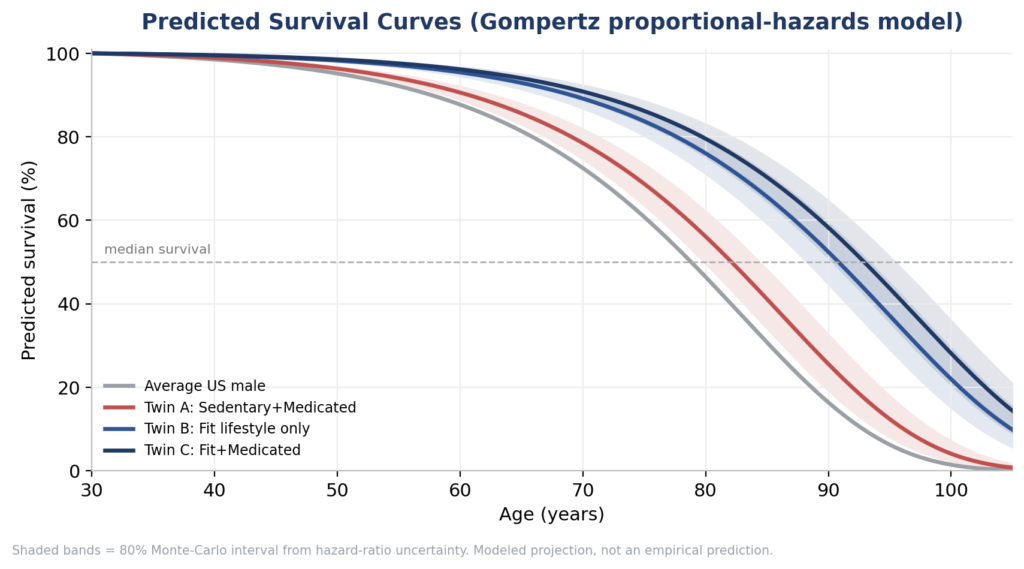
Figure 1. Predicted survival curves with 80% Monte-Carlo intervals.
Figure 2 shows disease-free (healthspan) survival. The separation between Figure 2 and Figure 1 for each scenario is the morbidity period: wide for the average male and Twin A, narrow for the fit siblings, who remain disease-free until close to the end of life—the compression-of-morbidity dividend [MECH].
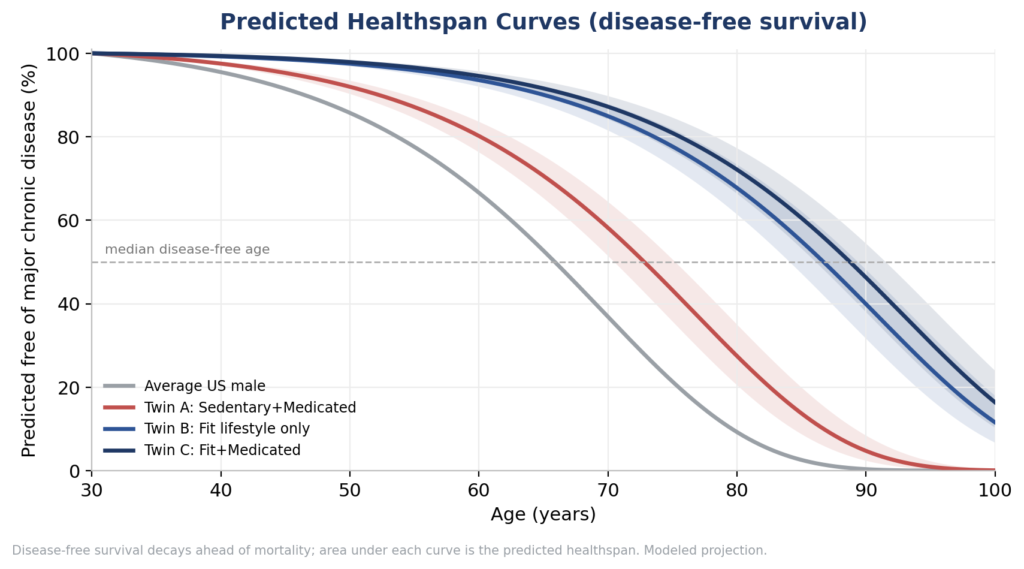
Figure 2. Predicted disease-free (healthspan) curves with 80% Monte-Carlo intervals.
Figure 3 summarizes the predicted life expectancy and healthspan as medians with 80% intervals. Twin A gains roughly three years of life over the average male but carries a nine-year morbidity tail; the fit siblings gain twelve to fourteen years and compress morbidity to about four years. The Twin C–over–Twin B increment is real but small and its interval overlaps Twin B’s, reflecting that pharmacology adds little once atherogenic risk is already low.
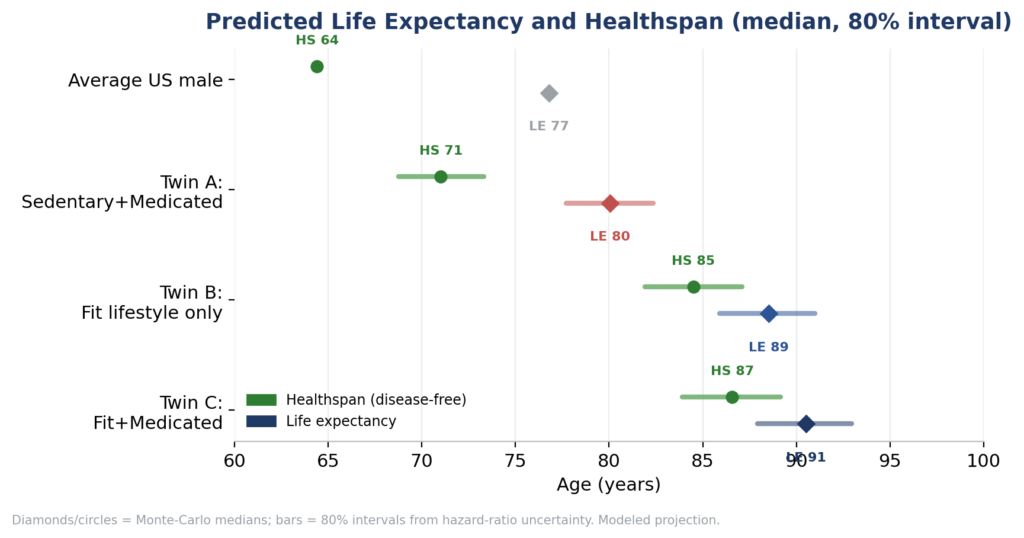
Figure 3. Predicted life expectancy and healthspan (median, 80% interval).
10.3 Interpretation
Three conclusions follow. First, the dominant lever on both lifespan and healthspan is the lifestyle–fitness package embodied by Twin B [COH] [21] [22]. Second, pharmacotherapy on a poor-lifestyle base (Twin A) buys meaningful lifespan years but leaves a long morbidity tail, because biomarker control does not confer physiological reserve. Third, layering targeted pharmacology onto elite fitness (Twin C) yields a further but small and uncertain increment, partially offset by drug-related side effects. The modeled message is one of sequence: fitness first, pharmacology as a precise supplement rather than a substitute. These curves are scenario projections, not individual forecasts; their value is comparative shape rather than the precise ages.
11. Dietary Sensitivity Analysis: A Paleolithic/High-Fat Pattern
The base-case model assigns Twins B and C a whole-food plant-based (WFPB) diet and Twin A a hypercaloric ultra-processed Western diet. This section asks how each trajectory would change if the diet were instead an ad libitum Paleolithic/high-fat pattern—emphasizing meat, fish, eggs, vegetables, and nuts while excluding grains, legumes, and dairy, and typically elevated in saturated fat. The dominant lever is the pattern’s effect on atherogenic lipoproteins (ApoB and LDL-C), weighed against possible short-term weight and glycemic benefits, a gut-derived pro-atherogenic metabolite (TMAO), and pronounced inter-individual variability in the lipid response.
11.1 The Primary Signal: Saturated Fat Raises ApoB
Replacing unsaturated fat or whole-food carbohydrate with saturated fat raises atherogenic lipoproteins. The American Heart Association’s presidential advisory concluded that lowering saturated fat and replacing it with polyunsaturated fat reduced cardiovascular events by approximately 30%—a magnitude comparable to statin therapy [CON] [25]. In a controlled feeding trial, a very-high-saturated-fat diet (18% of energy) raised apolipoprotein B by 9.5% (95% CI, 3.6–15.7) versus a 6.8% reduction (95% CI, −11.7 to −1.8) on a low-saturated-fat diet (between-diet P = 0.0003) [RCT] [26]. Substituting a higher-saturated-fat Paleolithic pattern for the WFPB reference is therefore expected to raise ApoB in every twin, the opposite direction to the base case.
An important comparator caveat. Short-term randomized trials of Paleolithic diets often show modest improvements: a meta-analysis of eight RCTs reported reductions in body weight (−1.68 kg; 95% CI, −2.86 to −0.49), LDL-C (−0.13 mmol/L ≈ −5 mg/dL; 95% CI, −0.26 to −0.01), triglycerides, and C-reactive protein, with a small rise in HDL-C [MA] [27]. These gains, however, were measured chiefly against standard or Western comparator diets and were partly weight-loss-mediated, and the pooled effects were sensitive to removal of individual studies. Against an already-optimized WFPB diet—the relevant comparison here—the lipid advantage reverses, because the WFPB pattern is lower in saturated fat and higher in viscous fiber and plant sterols.
11.2 Beyond LDL: TMAO and the Gut Microbiome
A Paleolithic pattern introduces a second, lipid-independent atherogenic signal. Because it eliminates grains, legumes, and dairy, it is low in resistant starch and high in animal protein; long-term adherents show a shifted gut microbiota (higher abundance of the trimethylamine producer Hungatella) and significantly higher serum trimethylamine-N-oxide (TMAO), a metabolite associated with atherosclerosis [COH] [28]. This penalty is not addressed by lipid-lowering drugs and therefore applies even to the pharmacologically treated twins, although the magnitude of TMAO’s independent causal contribution in humans remains debated [MECH].
11.3 The Lean, Fit Responder: The Lean-Mass-Hyper-Responder Phenomenon
The lipid response to a high-fat, carbohydrate-restricted pattern depends strongly on body composition. In lean, insulin-sensitive, high-energy-expenditure individuals—precisely the phenotype of Twins B and C—such diets frequently trigger large increases in LDL-C and ApoB, producing the lean-mass-hyper-responder (LMHR) triad of very high LDL-C (often ≥ 200 mg/dL), high HDL-C (≥ 80 mg/dL), and low triglycerides (≤ 70 mg/dL) [OBS] [29]. The phenotype itself is well documented and the responsible lipidologists call for a prudent, LDL-lowering clinical approach rather than reassurance [OBS] [29]. A widely cited prospective report from the KETO-CTA cohort had argued that one-year plaque progression in such individuals tracked baseline plaque rather than ApoB (“plaque begets plaque, ApoB does not”); that paper was subsequently retracted by the journal in 2025 at the authors’ and editors’ request after methodological concerns were judged too great to correct, so it provides no countervailing evidence here. The cumulative-exposure causality of ApoB established in Section 2 therefore stands undiminished [CON] [1], and a diet-induced rise in ApoB should be treated as adding atherogenic exposure, most clearly so once subclinical plaque is already present—the situation most relevant to Twin A [MECH].
11.4 Scenario-by-Scenario Effect
Twin A (sedentary, established subclinical plaque). The high-fat pattern is the least favorable choice. It raises ApoB and TMAO on top of the plaque already seeded during the untreated decade, and adding atherogenic-lipoprotein exposure to established subclinical disease is expected to accelerate progression [CON/MECH] [1]. The mitigating nuance is that a whole-food Paleolithic diet is still less harmful than an ultra-processed hypercaloric Western diet and may modestly improve weight and glycemia short-term [MA] [27]; the net is therefore better than junk food but worse than the WFPB reference, and the lipid penalty is only partly offset by his pharmacotherapy from age 40.
Twin B (fit, lean, unmedicated). This twin is the most exposed to the downside. He would likely become a lean-mass-hyper-responder with markedly elevated ApoB and added TMAO, and—uniquely—has no pharmacologic buffer. Over four decades the cumulative ApoB exposure rises materially, eroding much of the atherogenic advantage that the WFPB base case conferred; his fitness and low inflammation would still keep his absolute event risk below Twin A’s, but the lipid penalty is real and unmitigated [CON/MECH] [1].
Twin C (fit, lipid-lowering therapy). This twin is the best buffered. Statin plus ezetimibe plus a PCSK9 inhibitor can hold ApoB at an ultra-low level despite the high saturated-fat intake—the one scenario in which pharmacology directly neutralizes the dietary lever [RCT] [5]. The TMAO and microbiome effects are not corrected by lipid drugs, so a smaller residual penalty remains, but Twin C’s overall trajectory is changed least by the dietary substitution.
11.5 Modeled Impact and Effect on the Survival Projection
Figure 4 makes the central asymmetry explicit. Substituting a high-fat Paleolithic pattern for the reference diet leaves the two drug-treated twins essentially unchanged in LDL-C—statin, ezetimibe, and a PCSK9 inhibitor act on the same hepatic clearance pathway that dietary saturated fat perturbs, and at maximal lipid-lowering the drugs dominate that pathway [RCT/MECH] [5]. Only the unmedicated fit twin (Twin B) rises, with a wide upside in the lean-mass-hyper-responder direction [OBS] [29].
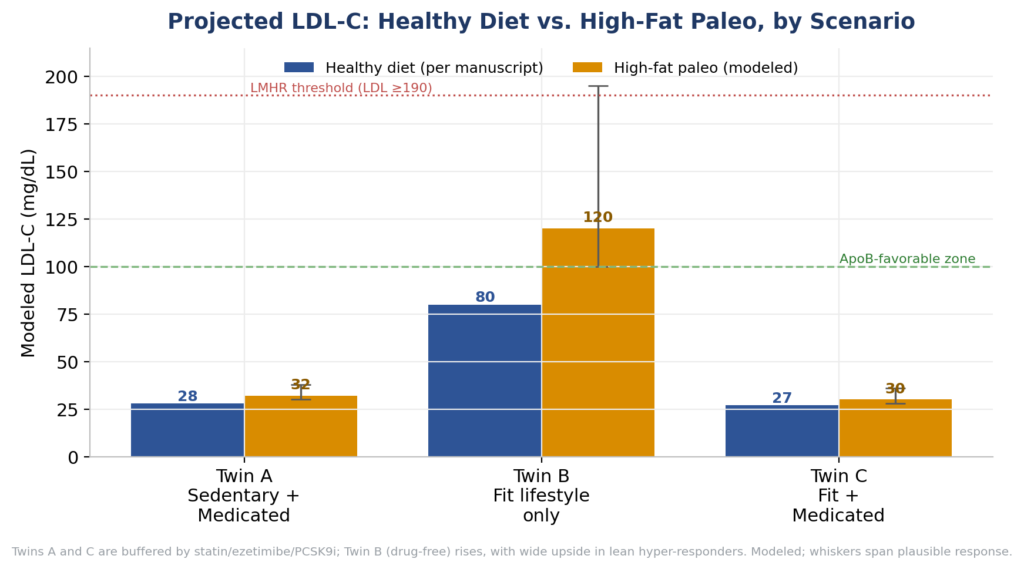
Figure 4. Projected LDL-C under the manuscript’s healthy diet versus a high-fat Paleolithic pattern, by scenario. Twins A and C are drug-buffered; Twin B (drug-free) rises, with wide upside in lean hyper-responders. Modeled.
| Scenario | ApoB on WFPB / reference (modeled) | ApoB on Paleo/high-fat (modeled) | Net effect on projected risk |
| Twin A | ≈25–30 mg/dL (from age 40, on therapy) | Higher pre-treatment exposure; ≈35–45 on therapy | Worse: adds to existing plaque; partly offset by drugs |
| Twin B | ≈75 mg/dL | ≈110–150+ mg/dL (LMHR range, unbuffered) | Materially worse: erodes the diet advantage |
| Twin C | ≈30 mg/dL | ≈30–40 mg/dL (held low by therapy) | Minimal lipid change; small residual TMAO penalty |
Table 4. Modeled effect of substituting a Paleolithic/high-fat pattern for the manuscript’s reference diet. ApoB values are modeled estimates, not trial-observed outcomes.
Within the Gompertz survival model of Section 10, the dietary substitution acts through cumulative ApoB exposure and TMAO. It would raise the mortality and morbidity hazard ratios most for Twin B (unbuffered LMHR-range ApoB), modestly for Twin A (added to pre-existing plaque, partly offset by therapy), and least for Twin C (lipid hazard largely neutralized by drugs). The qualitative consequence is a partial compression of the survival and healthspan advantage of the unmedicated fit twin toward—though not down to—the medicated scenarios, reinforcing the manuscript’s central theme: diet quality and pharmacology act on the same atherogenic axis, and lipid-lowering therapy is the only one of the two that can rescue an adverse dietary lipid response [MECH].
Figure 5 quantifies this within the survival model. Re-running the projection with Twin B switched to a high-fat Paleolithic pattern—its higher, unbuffered ApoB raising the mortality and morbidity hazards—erodes roughly three years of both predicted life expectancy (89 → 86) and healthspan (85 → 82), while Twin C, whose lipids are held low pharmacologically, is essentially unmoved. The diet penalty falls almost entirely on the twin without a pharmacologic buffer [MECH].
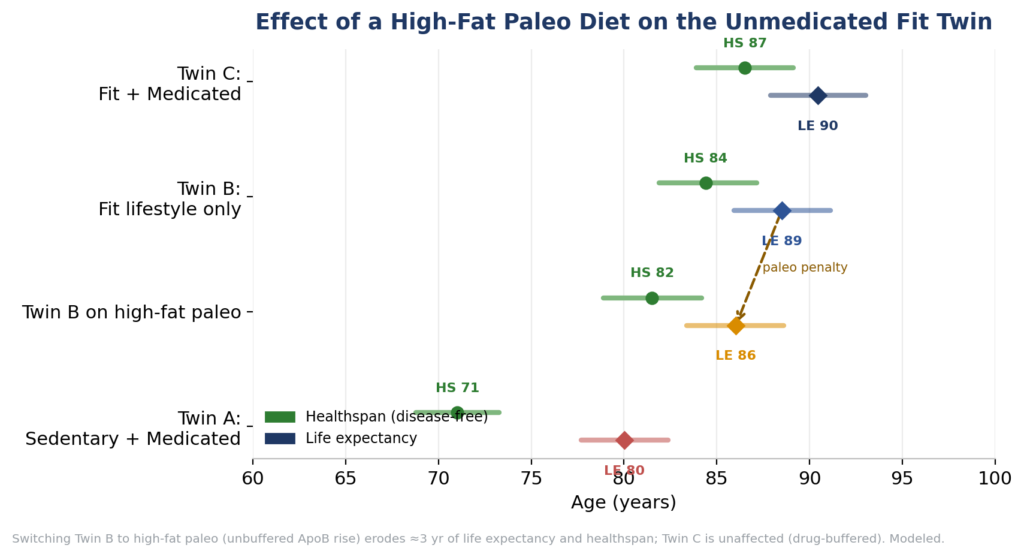
Figure 5. Modeled effect of a high-fat Paleolithic diet on predicted life expectancy and healthspan. The diet erodes ~3 years for the unmedicated fit twin (Twin B); the drug-treated twins are buffered. Medians with 80% intervals.
Figure 6 shows the same result as full survival curves. Switching Twin B to a high-fat Paleolithic pattern shifts his curve leftward (amber), lowering median survival from roughly 91 to 88 years and moving the whole trajectory toward—but staying well above—the sedentary medicated twin. Twin C’s curve is unchanged because pharmacotherapy holds his atherogenic lipoproteins low regardless of diet, and the amber confidence band overlaps Twin B’s reference-diet band, reflecting genuine uncertainty in the size of the shift. The visual reinforces the section’s thesis: the dietary lever moves the curve materially only for the twin who has no pharmacologic floor under his ApoB [MECH].
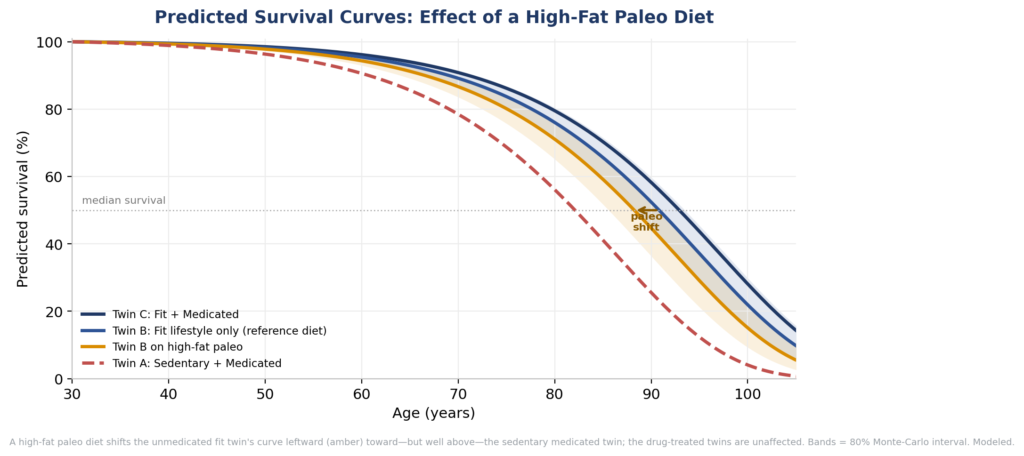
Figure 6. Predicted survival curves under a high-fat Paleolithic diet. The unmedicated fit twin’s curve (amber) shifts left toward, but well above, the sedentary medicated twin; the drug-treated twins are unaffected. Bands = 80% Monte-Carlo interval. Modeled.
12. Synthesis and Balanced Conclusion
This 40-year comparative analysis demonstrates that modern cardiometabolic drugs, while highly effective, cannot fully offset the systemic risks of a sedentary lifestyle and poor diet. Aggressive pharmacotherapy in Twin A successfully manages circulating lipids, blood pressure, and glycemia and substantially reduces the risk of myocardial infarction and stroke [RCT] [5] [8]. But because no drug restores VO₂max, rebuilds mitochondrial density, or prevents sarcopenic wasting, the sedentary-medicated model remains structurally fragile and vulnerable to frailty, dependency, and non-cardiovascular mortality [COH] [12].
An elite athletic lifestyle (Twin B) is the foundation of healthspan, cardiorespiratory fitness, and all-cause mortality reduction [COH] [12], yet even an elite lifestyle does not eliminate the slow cumulative exposure to atherogenic ApoB over decades [CON] [1]. The lowest modeled risk is achieved in Scenario C, where elite lifestyle is combined with targeted preventive pharmacotherapy to suppress ApoB and blood pressure to minimal levels—a powerful synergy that nonetheless requires careful management of drug–lifestyle conflicts such as statin-associated muscle symptoms in highly active individuals [MECH] [20]. In conclusion, pharmacology can partially compensate for the vascular consequences of a sedentary lifestyle by managing biomarkers, but it cannot replicate the multi-organ benefits of physical fitness. Pharmacotherapy is most effective when used to supplement healthy behavior rather than to compensate for its absence.
The dietary sensitivity analysis sharpens this conclusion rather than complicating it. Substituting a high-fat Paleolithic pattern for the reference diet barely moves the survival curves of the two drug-treated twins, because statin, ezetimibe, and PCSK9-inhibitor therapy hold their atherogenic lipoproteins low regardless of dietary saturated fat; but it shifts the unmedicated fit twin’s survival curve materially leftward (median survival roughly 91 → 88 years; Figure 6), eroding about three years of both life expectancy and healthspan through an unbuffered rise in ApoB [MECH] [26]. Two lessons follow. First, diet quality and lipid-lowering pharmacology act on the same atherogenic axis, so the value of a favorable diet is greatest precisely for the person who is not pharmacologically protected—and, conversely, lipid-lowering therapy is the only one of the two levers that can rescue an adverse dietary lipid response. Second, the popular framing of a high-fat, carbohydrate-restricted diet as cardioprotective in lean, fit individuals is not supported once cumulative ApoB exposure is taken seriously; the diet’s favorable effects on weight, glycemia, and triglycerides do not offset a sustained elevation in atherogenic-particle number, and the one prospective dataset advanced to argue otherwise has been retracted [CON] [1] [29]. The overarching message is therefore one of sequence and complementarity: build fitness and a low-ApoB dietary pattern first, and add targeted pharmacotherapy as a precise, robustness-conferring supplement rather than a substitute for either.
References
- Ference BA, Ginsberg HN, Graham I, et al. Low-density lipoproteins cause atherosclerotic cardiovascular disease. 1. Evidence from genetic, epidemiologic, and clinical studies. A consensus statement from the European Atherosclerosis Society Consensus Panel. Eur Heart J. 2017;38(32):2459-2472. doi:10.1093/eurheartj/ehx144
- Mortensen MB, Dzaye O, Bøtker HE, et al. Low-Density Lipoprotein Cholesterol Is Predominantly Associated With Atherosclerotic Cardiovascular Disease Events in Patients With Evidence of Coronary Atherosclerosis: The Western Denmark Heart Registry. Circulation. 2023;147(14):1053-1063. doi:10.1161/CIRCULATIONAHA.122.061010
- Landry MJ, Ward CP, Cunanan KM, et al. Cardiometabolic Effects of Omnivorous vs Vegan Diets in Identical Twins: A Randomized Clinical Trial. JAMA Netw Open. 2023;6(11):e2344457. Published 2023 Nov 1. doi:10.1001/jamanetworkopen.2023.44457
- Koch CA, Kjeldsen EW, Frikke-Schmidt R. Vegetarian or vegan diets and blood lipids: a meta-analysis of randomized trials. Eur Heart J. 2023;44(28):2609-2622. doi:10.1093/eurheartj/ehad211
- Sabatine MS, Giugliano RP, Keech AC, et al. Evolocumab and Clinical Outcomes in Patients with Cardiovascular Disease. N Engl J Med. 2017;376(18):1713-1722. doi:10.1056/NEJMoa1615664
- O’Donoghue ML, Fazio S, Giugliano RP, et al. Lipoprotein(a), PCSK9 Inhibition, and Cardiovascular Risk. Circulation. 2019;139(12):1483-1492. doi:10.1161/CIRCULATIONAHA.118.037184
- Breneman CB, Polinski K, Sarzynski MA, et al. The Impact of Cardiorespiratory Fitness Levels on the Risk of Developing Atherogenic Dyslipidemia. Am J Med. 2016;129(10):1060-1066. doi:10.1016/j.amjmed.2016.05.017
- Lincoff AM, Brown-Frandsen K, Colhoun HM, et al. Semaglutide and Cardiovascular Outcomes in Obesity without Diabetes. N Engl J Med. 2023;389(24):2221-2232. doi:10.1056/NEJMoa2307563
- Ross R, Blair SN, Arena R, et al. Importance of Assessing Cardiorespiratory Fitness in Clinical Practice: A Case for Fitness as a Clinical Vital Sign: A Scientific Statement From the American Heart Association. Circulation. 2016;134(24):e653-e699. doi:10.1161/CIR.0000000000000461
- Andersen MH, Jensen JM, Kanstrup H, et al. Low-density lipoprotein cholesterol and cardiovascular risk in the absence of calcifications on computed tomography: the Western Denmark Heart Registry. Eur Heart J. 2025;46(46):5062-5072. doi:10.1093/eurheartj/ehaf497
- Puri R, Nicholls SJ, Shao M, et al. Impact of statins on serial coronary calcification during atheroma progression and regression. J Am Coll Cardiol. 2015;65(13):1273-1282. doi:10.1016/j.jacc.2015.01.036
- Mandsager K, Harb S, Cremer P, Phelan D, Nissen SE, Jaber W. Association of Cardiorespiratory Fitness With Long-term Mortality Among Adults Undergoing Exercise Treadmill Testing. JAMA Netw Open. 2018;1(6):e183605. Published 2018 Oct 5. doi:10.1001/jamanetworkopen.2018.3605
- Alissou M, Demangeat T, Folope V, et al. Impact of Semaglutide on fat mass, lean mass and muscle function in patients with obesity: The SEMALEAN study. Diabetes Obes Metab. 2026;28(1):112-121. doi:10.1111/dom.70141
- Neeland IJ, Linge J, Birkenfeld AL. Changes in lean body mass with glucagon-like peptide-1-based therapies and mitigation strategies. Diabetes Obes Metab. 2024;26 Suppl 4:16-27. doi:10.1111/dom.15728
- Naci H, Ioannidis JP. Comparative effectiveness of exercise and drug interventions on mortality outcomes: metaepidemiological study. Br J Sports Med. 2015;49(21):1414-1422. doi:10.1136/bjsports-2015-f5577rep
- Wharton S, Davies M, Dicker D, et al. Managing the gastrointestinal side effects of GLP-1 receptor agonists in obesity: recommendations for clinical practice. Postgrad Med. 2022;134(1):14-19. doi:10.1080/00325481.2021.2002616
- He L, Wang J, Ping F, et al. Association of Glucagon-Like Peptide-1 Receptor Agonist Use With Risk of Gallbladder and Biliary Diseases: A Systematic Review and Meta-analysis of Randomized Clinical Trials. JAMA Intern Med. 2022;182(5):513-519. doi:10.1001/jamainternmed.2022.0338
- Ryan TE, Torres MJ, Lin CT, et al. High-dose atorvastatin therapy progressively decreases skeletal muscle mitochondrial respiratory capacity in humans. JCI Insight. 2024;9(4):e174125. Published 2024 Feb 22. doi:10.1172/jci.insight.174125
- Bruckert E, Hayem G, Dejager S, Yau C, Bégaud B. Mild to moderate muscular symptoms with high-dosage statin therapy in hyperlipidemic patients–the PRIMO study. Cardiovasc Drugs Ther. 2005;19(6):403-414. doi:10.1007/s10557-005-5686-z
- Cheeley MK, Saseen JJ, Agarwala A, et al. NLA scientific statement on statin intolerance: a new definition and key considerations for ASCVD risk reduction in the statin intolerant patient. J Clin Lipidol. 2022;16(4):361-375. doi:10.1016/j.jacl.2022.05.068
- Li Y, Pan A, Wang DD, et al. Impact of Healthy Lifestyle Factors on Life Expectancies in the US Population. Circulation. 2018;138(4):345-355. doi:10.1161/CIRCULATIONAHA.117.032047
- Clausen JSR, Marott JL, Holtermann A, Gyntelberg F, Jensen MT. Midlife Cardiorespiratory Fitness and the Long-Term Risk of Mortality: 46 Years of Follow-Up. J Am Coll Cardiol. 2018;72(9):987-995. doi:10.1016/j.jacc.2018.06.045
- Garmany A, Terzic A. Global Healthspan-Lifespan Gaps Among 183 World Health Organization Member States. JAMA Netw Open. 2024;7(12):e2450241. Published 2024 Dec 2. doi:10.1001/jamanetworkopen.2024.50241
- De Bosscher R, Dausin C, Claus P, et al. Lifelong endurance exercise and its relation with coronary atherosclerosis. Eur Heart J. 2023;44(26):2388-2399. doi:10.1093/eurheartj/ehad152
- Sacks FM, Lichtenstein AH, Wu JHY, et al. Dietary Fats and Cardiovascular Disease: A Presidential Advisory From the American Heart Association. Circulation. 2017;136(3):e1-e23. doi:10.1161/CIR.0000000000000510
- Chiu S, Williams PT, Krauss RM. Effects of a very high saturated fat diet on LDL particles in adults with atherogenic dyslipidemia: A randomized controlled trial. PLoS One. 2017;12(2):e0170664. Published 2017 Feb 6. doi:10.1371/journal.pone.0170664
- Ghaedi E, Mohammadi M, Mohammadi H, et al. Effects of a Paleolithic Diet on Cardiovascular Disease Risk Factors: A Systematic Review and Meta-Analysis of Randomized Controlled Trials. Adv Nutr. 2019;10(4):634-646. doi:10.1093/advances/nmz007
- Genoni A, Christophersen CT, Lo J, et al. Long-term Paleolithic diet is associated with lower resistant starch intake, different gut microbiota composition and increased serum TMAO concentrations. Eur J Nutr. 2020;59(5):1845-1858. doi:10.1007/s00394-019-02036-y
- Norwitz NG, Mindrum MR, Giral P, et al. Elevated LDL-cholesterol levels among lean mass hyper-responders on low-carbohydrate ketogenic diets deserve urgent clinical attention and further research. J Clin Lipidol. 2022;16(6):765-768. doi:10.1016/j.jacl.2022.10.010
- Cholesterol Treatment Trialists’ Collaboration. Effect of statin therapy on muscle symptoms: an individual participant data meta-analysis of large-scale, randomised, double-blind trials. Lancet. 2022;400(10355):832-845. doi:10.1016/S0140-6736(22)01545-8