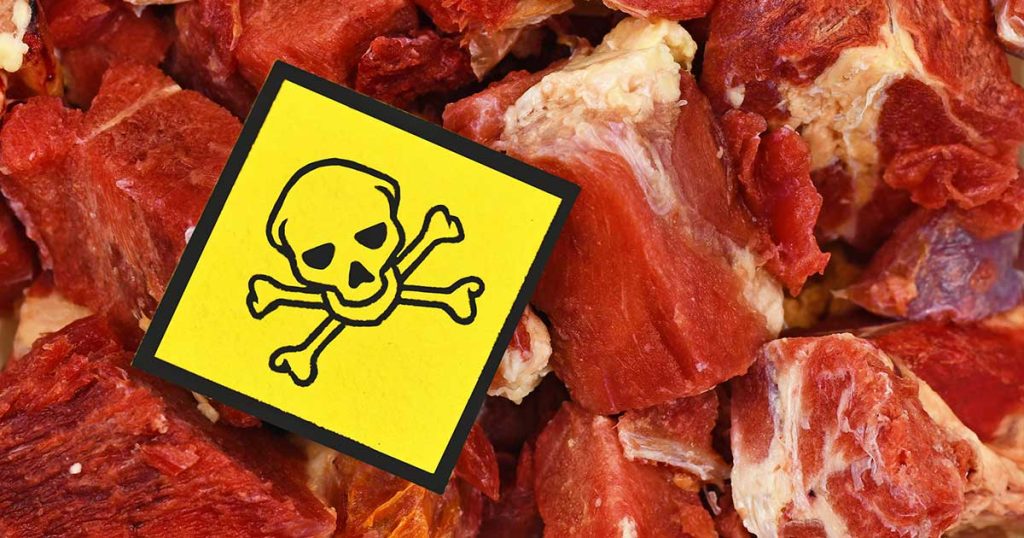
Het molecuul dat je darmen met je hart verbindt: 5 verrassende feiten over TMAO
De onzichtbare metabole estafette: Een meta-organisme-as
De menselijke gezondheid werd vroeger uitsluitend vanuit een genomisch perspectief bekeken, maar nieuw onderzoek naar de darm-orgaan-as laat zien dat onze fysiologie wordt geregeld door een “meta-organismale” keten. Bij deze biochemische overdracht worden voedingsvoorlopers door het microbieel ecosysteem in de darmen omgezet in vluchtige tussenproducten, die vervolgens door de organen van de gastheer worden gemodificeerd om systemische effecten teweeg te brengen. Centraal in dit raakvlak staat trimethylamine-N-oxide (TMAO). TMAO, dat van oudsher bekend stond als een onbekende mariene osmoliet die door diepzeevissen wordt gebruikt om de vochtbalans op peil te houden, is uitgegroeid tot een belangrijk doelwit voor de stratificatie van cardiovasculaire risico’s. Het wordt nu erkend als een krachtige voorspeller van ernstige cardiovasculaire en cerebrovasculaire voorvallen (MACCE), en biedt vaak een prognostische waarde die die van traditionele lipidenprofielen overtreft. De vraag voor de moderne geneeskunde is nu: hoe kan één enkel molecuul, gevormd op het snijvlak van voeding en het microbioom, het verloop van systemische ziekten bepalen?
Je microbioom is een chemische fabriek (en je lever is de kwaliteitscontrole)
De synthese van TMAO is een nauwkeurig proces in meerdere stappen dat een verplichte bijdrage van darmbacteriën vereist. Zonder specifieke microbiële enzymen zouden de precursors die we eten nooit worden omgezet in dit pro-atherogene molecuul.
- De Microbiële Toegangspoort: Wanneer we iets consumeren choline (eieren, zuivel) of L-carnitine (rood vlees), microbiële enzymen — met name die waarvoor het gen wordt gecodeerd door het cutC/D en cntA/B genen—kloven deze verbindingen om trimethylamine (TMA) te produceren.
- De $\gamma$ BB Nuance: Het belangrijkste is dat de carnitine Deze stofwisselingsroute omvat een belangrijk metabolisch tussenproduct: $\gamma$ -butyrobetaïne ( $\gamma$ BB). In het proximale deel van de darm wordt L-carnitine omgezet in $\gamma$ BB met een snelheid die ongeveer 1.000 keer hoger ligt dan die van de directe TMA-vorming, waardoor het fungeert als een primair reservoir voor de daaropvolgende TMA-productie door gespecialiseerde microbiota.
- Leveroxidatie: ”TMA wordt via de poortader naar de lever getransporteerd, waar het door het flavinehoudende enzym monooxygenase 3 (FMO3) wordt geoxideerd tot reukloos TMAO.‘De productie van TMAO is geen direct gevolg van het menselijke celmetabolisme, maar veeleer een ’meta-organismisch” proces dat een onmisbare bijdrage van de darmmicrobiota vereist. De FMO3-activiteit is niet statisch; deze wordt gereguleerd door gastheerfactoren, waaronder de farnesoïde X-receptor (FXR) en galzuren. Wanneer deze “kwaliteitscontrole” in de lever door genetische polymorfismen niet meer goed functioneert, hoopt TMA zich op, wat leidt tot trimethylaminurie (visgeursyndroom). Onder normale omstandigheden zet de lever het vluchtige gas echter op efficiënte wijze om in systemisch TMAO, dat vervolgens als bioactieve metaboliet in de bloedsomloop circuleert.
De “visparadox” – Waarom vis en zeevruchten niet de vijand zijn
Vis is van nature rijk aan reeds gevormd TMAO. Daarom kan een enkele portie vis de TMAO-waarden in het plasma aanzienlijk hoger doen stijgen dan een portie rood vlees. Toch bevestigen epidemiologische gegevens consequent dat visconsumptie cardioprotectief is. Deze ogenschijnlijke tegenstrijdigheid wordt opgelost door drie verschillende factoren:
- De metabole route: TMAO uit vis wordt rechtstreeks in de bloedbaan opgenomen. Voorlopers uit vlees moeten daarentegen een microbiële fermentatie ondergaan om TMA te produceren. Dit microbiële proces gaat vaak gepaard met andere ontstekingsbevorderende bijproducten of veranderingen in het microbioom (“schuld door associatie”), die niet voorkomen bij de consumptie van kant-en-klaar TMAO uit vis.
- Voedingswaardecompensatie: Vis en schaaldieren leveren hoge concentraties omega-3-meervoudig onverzadigde vetzuren (EPA en DHA). Deze ontstekingsremmende verbindingen kunnen de potentiële signaleringsschade van een voorbijgaande TMAO-piek effectief tegengaan.
- Tijdelijke vs. chronische blootstelling: Bij personen met een gezonde nierfunctie wordt door vis veroorzaakt TMAO afgevoerd via glomerulaire filtratie binnen 24 uur. Omgekeerd bevorderen vleesrijke voedingspatronen een microbioom dat is geoptimaliseerd voor chronische TMA-productie, wat leidt tot aanhoudende, verhoogde basiswaarden die veel schadelijker zijn dan acute, door de voeding veroorzaakte schommelingen.
TMAO is een “reostaat” voor het risico op bloedstolling
TMAO zet de bloedstolling niet rechtstreeks in gang; het fungeert veeleer als een protrombotische sensibilisator. Het fungeert als een biochemisch reostaat , waardoor de reactiviteit van bloedplaatjes ten opzichte van primaire agonisten zoals trombine of collageen.Het moleculaire mechanisme omvat de modulatie van de intracellulaire calcium ( $Ca^{2+}$ )-signalering. TMAO bevordert de snelle afgifte van $Ca^{2+}$ uit interne opslagplaatsen — met name de dicht buisvormig systeem —binnen de bloedplaatjes. Door deze verhoogde calciumstroom worden bloedplaatjes “springeriger” en zijn ze onder omstandigheden met hoge schuifkrachten gevoeliger voor aggregatie, waardoor het risico op myocardinfarct en beroerte. Dat er sprake was van een causaal verband, werd aangetoond door het verwijderen van de microbiële knippenC gen in experimentele modellen; door het vermogen van de darmen om de TMA-precursor aan te maken volledig uit te schakelen, werd dit verhoogde trombosegevaar volledig tenietgedaan.
Voorbij het hart: de verbinding tussen hersenen en nieren
Hoewel TMAO een vast onderdeel is van cardiovasculair onderzoek, wordt het steeds vaker gezien als een algemene gezondheidsindicator, met verstrekkende gevolgen voor de “microbiota-darm-hersenas” en de levensduur van de nieren.
- Neurodegeneratie TMAO passeert gemakkelijk de bloed-hersenbarrière. In het centrale zenuwstelsel fungeert het als een chemische chaperonne die de aggregatie van amyloïde-bèta en $\alpha$ -synucleïne versnelt. Bovendien zet het pyroptose of oligodendrocyten via de ROS-NLRP3-signaleringsroute , wat neuro-ontsteking en demyelinisatie bevordert die vaak worden waargenomen bij cognitieve achteruitgang.
- De Vicious Circle van de Nieren: TMAO wordt voornamelijk via de nieren uit het lichaam verwijderd, maar het fungeert ook als een “uremische toxine.” Verhoogde waarden bevorderen fibrose van renaal tubulo-interstitieel weefsel en glomerulaire sclerose. Dit leidt tot een destructieve vicieuze cirkel: een afnemende nierfunctie leidt tot een hogere TMAO-retentie, wat op zijn beurt verdere nierschade versnelt. Deze invloed op meerdere organen verklaart waarom multi-omics-gegevens uit de UK Biobank blijkt dat TMAO-waarden een aanzienlijke voorspellende waarde hebben voor 17 verschillende ziektecategorieën, wat wijst op systemische biologische stress.
“Het microbioom beïnvloeden met medicijnen” zonder het te vernietigen
Bij traditionele benaderingen voor het beïnvloeden van het microbioom werd gebruikgemaakt van breedspectrumantibiotica, die fungeren als een “verschroeide aarde”-strategie. De toekomst van TMAO-beheer ligt in “niet-letale” remmers op basis van kleine moleculen die zich richten op het enzym (TMA-lyase) in plaats van op de bacteriën zelf, waardoor het risico op antibioticaresistentie wordt vermeden.| Remmerklasse | Belangrijkste verbinding | Werkingsmechanisme | Potentie & status || —— | —— | —— | —— || Competitieve remmers | DMB (te vinden in olijfolie) | Bootst choline na om CutC/D competitief te blokkeren | Preklinisch; van nature voorkomend || Zelfmoordsubstraten | IMC / FMC | Onomkeerbaar bindt het CutC/D-enzym en deactiveert dit Nanomolaire potentie ( $IC_{50}$ ); hoog veiligheidsprofiel |
Verbindingen zoals jodiummethylcholine (IMC) hebben het vermogen aangetoond om systemisch TMAO te verlagen en het trombotisch risico te verminderen zonder de bloedingstijd te verlengen, wat een paradigmaverschuiving in de precisie-microbioomfarmacologie vertegenwoordigt.
Conclusie: Naar gepersonaliseerde preventie
TMAO fungeert als een zeer nauwkeurige spiegel die de wisselwerking tussen onze voedingsinname en ons interne microbiële ecosysteem weerspiegelt. Het is niet langer alleen maar een biomarker; het speelt een bioactieve rol bij het ontstaan van hart- en vaatziekten, nierziekten en neurodegeneratieve aandoeningen. Nu we steeds meer overstappen op “gestratificeerde voeding”, is het darmprofiel van een persoon – met name de hoeveelheid micro-organismen knippenC Genen en de activiteit van FMO3 in de lever zullen waarschijnlijk bepalend zijn voor gepersonaliseerde voedingsinterventies. Door “grote TMA-producenten” in een vroeg stadium te identificeren, kunnen we afstappen van algemeen advies en overgaan op gerichte beheer van het microbioom. De toestand van je hart is, letterlijk, een weerspiegeling van de onzichtbare stofwisselingsprocessen die zich in je darmen afspelen. Wat produceert jouw interne fabriek?
Diepgaand onderzoek naar TMAO
De meta-organisme meta-as van trimethylamine-N-oxide: Een uitgebreide analyse van biochemische routes, cardiometabole pathogenese en klinische implicaties
De opkomst van trimethylamine-N-oxide (TMAO) als een centrale factor in de cardiometabole geneeskunde betekent een belangrijke verschuiving in het inzicht van onderzoekers in de wisselwerking tussen voeding, de darmmicrobioom, en de menselijke gezondheid. TMAO, een kleine organische verbinding met de molecuulformule C5H11NO2, is een in water oplosbaar amine-N-oxide dat zich heeft ontwikkeld van een relatief onbekende osmolyte in de mariene biologie tot een veelbestudeerde kandidaat-biomarker en mogelijke mediator van cardiovasculaire risico’s. De synthese van TMAO is een meerstapsproces dat een brug slaat tussen de externe omgeving (voeding), het microbieel ecosysteem in de darmen (darmmicrobiota) en de interne fysiologie van de gastheer (lever en nieren). Dit rapport biedt een uitputtende, diepgaande analyse op expertniveau van de TMAO-as, waarbij de biochemische architectuur ervan wordt geanalyseerd, evenals de moleculaire mechanismen waardoor het ziekte kan bevorderen, het klinische bewijs dat de prognostische waarde ervan ondersteunt, en de hedendaagse controverses over de status ervan als oorzakelijke factor versus een surrogaatbiomarker voor systemische dysbiose en cardiometabool risico.
Het biochemisch landschap: de darm-lever-nier-as
De productie van TMAO is niet het directe resultaat van het menselijke cellulaire metabolisme, maar eerder een meta-organismair proces dat een verplichte bijdrage vereist van de darmmicrobiota. Deze route wordt in gang gezet wanneer precursoren uit de voeding worden geconsumeerd en vervolgens worden omgezet in vluchtige intermediairen die de gastheer vervolgens modificeert.
Voedingsprecursoren en de microbiële toegangspoort
De belangrijkste grondstoffen voor de synthese van TMAO zijn quaterner ammoniumverbindingen die in overvloed te vinden zijn in veel dierlijke voedingsmiddelen, hoewel sommige plantaardige voedingsmiddelen hier ook aan bijdragen via hun gehalte aan betaine en choline. De meest prominente precursoren zijn choline (vaak in de vorm van fosfatidylcholine of lecithine), L-carnitine, betaine, γ-butyro-beëtine, en crotonobetaïne.
| Dieetvoorloper | Primaire voedselbronnen | Metabool tussenz produktu | Eindproduct van het systeem |
| Choline / Fosfatidylcholine | Eigeel, lever, zuivel, soja | Trimethylamine (TMA) | Trimethylamine-N-oxide (TMAO) |
| L-Carnitine | Rood vlees (rundvlees, lamsvlees), supplementen | γ-Butyro-bèt\u00eane (γBB) / TMA | Trimethylamine-N-oxide (TMAO) |
| γ-butyro-be-aïne | Vooraf gevormd in sommige rode soorten vlees; microbiële intermediair | Trimethylamine (TMA) | Trimethylamine-N-oxide (TMAO) |
| Betaine | Bieten, spinazie, volkoren granen | Trimethylamine (TMA) | Trimethylamine-N-oxide (TMAO) |
| Crotonobetaïne | bijproduct van carnitinemetabolisme | Trimethylamine (TMA) | Trimethylamine-N-oxide (TMAO) |
De verwerking van deze voedingsstoffen begint in de darm lumen. Choline en carnitine uit de voeding worden door specifieke microbiële enzymen afgebroken. De splitsing van de koolstof-stikstofbinding in choline wordt gekatalyseerd door het glycylradicaal-enzym choline-trimethylamine-lyase, waarvan het gen wordt gecodeerd door het knippenC gen, en de activering ervan eiwit, gecodeerd door snijdD. Deze reactie stelt trimethylamine (TMA) vrij als een vluchtig bijproduct. Op vergelijkbare wijze kan L-carnitine worden gemetaboliseerd via een afzonderlijke route waarbij het carnitine-monooxygenasesysteem (gecodeerd door aantalA en cntB), wat tevens resulteert in de productie van TMA.
Rec reciente onderzoek heeft aanzienlijke nuance toegevoegd aan de carnitineroute door te identificeren gamma-butyrobetaine (γBB) als een belangrijke tussenliggende metaboliet. Na inname van L-carnitine wordt γBB geproduceerd met een snelheid die ongeveer 1.000 keer hoger ligt dan de directe vorming van TMA in het proximale deel van de darm. Dit γBB wordt vervolgens in een tweede stap door een gespecialiseerde subgroep van de microbiota omgezet in TMA. De aanwezigheid van deze tussenproducten suggereert dat het metabolisme van TMAO-precursoren in de darm geen reactie in één stap is, maar een complex relais tussen verschillende microbiële taxa.
Leveromzetting en de rol van FMO3
Zodra TMA in de darm is geproduceerd, wordt het opgenomen door het darmepitheel en via de poortader naar de lever getransporteerd. TMA is een zeer vluchtige, kwalijk ruikende verbinding; bij de mens is de snelle omzetting in het geurloze TMAO een cruciale ontgiftingsstap. Deze oxidatie wordt gekatalyseerd door de familie van flavine-bevattende mono-oxygenase (FMO) enzymen, in het bijzonder de FMO3 isovorm, die verantwoordelijk is voor de overgrote meerderheid van de omzetting van TMA naar TMAO in de lever.
De activiteit van FMO3 is een belangrijke bepalende factor voor de circulerende TMAO-spiegels. Genetische polymorfismen in de FMO3 Het gen kan leiden tot een verminderde enzymatische activiteit, wat resulteert in de ophoping van TMA en de aandoening die bekendstaat als trimethylaminurie, of het ‘visgeursyndroom’, waarbij TMA wordt uitgescheiden via zweet, adem en urine. Omgekeerd kan een verhoogde FMO3-activiteit – die wordt beïnvloed door factoren van het gastheer, waaronder galzuursignalering en FXR-gerelateerde signaalwegen – de systemische TMAO-concentraties verhogen, zelfs bij afwezigheid van een extreme inname van voorlopers. Na de vorming in de lever komt TMAO in de systemische bloedsomloop terecht en wordt het voornamelijk door de nieren via glomerulaire filtratie uitgescheiden.
Moleculaire werkingsmechanismen: Hoe TMAO ziekte kan veroorzaken
De pathogeniteit van TMAO wordt in verband gebracht met een breed scala aan mechanismen die van invloed zijn op cellulaire stress, ontstekingssignalering, trombose, en de lipidenhomeostase. Experimentele modellen zijn verder gegaan dan louter correlatie en hebben intracellulaire doelwitten geïdentificeerd die TMAO bij fysiologische of pathofysiologische concentraties zou kunnen beïnvloeden. Toch zijn veel van deze mechanismen nog steeds het best onderbouwd in preklinische systemen dan in definitieve interventiestudies bij mensen.
Cholesterolmetabolisme en omgekeerd cholesteroltransport
Een van de kenmerkende atherogene mechanismen die aan TMAO worden toegeschreven, is de verstoring van cholesterol homeostase. Onder normale omstandigheden houdt het lichaam het evenwicht in stand door middel van omgekeerd cholesteroltransport (RCT), waarbij overtollig cholesterol uit de perifere macrofagen wordt teruggevoerd naar de lever om via de gal te worden uitgescheiden. Uit diermodellen is gebleken dat TMAO dit proces verstoort.
In muismodellen leidt suppletie met TMAO via de voeding tot een afname van het RCT-vermogen met ongeveer 35%. Deze verslechtering lijkt via verschillende parallelle mechanismen tot stand te komen:
- Macrofaag Schuimcel Samenstelling: TMAO reguleert de expressie van scavenger-receptoren op, in het bijzonder CD36 en scavenger-receptor A (SR-A), die de opname van gemodificeerde LDL tot macrofagen. Hierdoor nemen de snelheid waarmee macrofagen binnen de slagaderwand worden omgezet in pro-inflammatoire schuimcellen toe.
- Galzuurremming: TMAO onderdrukt de expressie van belangrijke leverenzymen die betrokken zijn bij de synthese van galzuren, met name CYP7A1 en CYP27A1. Door de omzetting van cholesterol in galzuren te verminderen, kan TMAO een belangrijke route voor uitscheiding van cholesterol beperken.
- Galzuurtransport: Proteomische studies hebben gesuggereerd dat TMAO de abundantie van galzuurtransporters downreguleert, wat de flux van cholesterolmetabolieten verder verstoort en ophoping bevordert.
Endotheeldisfunctie en het NLRP3-inflammasoom
TMAO werkt als een stimulans voor de bloedvaten ontsteking en endotheeldisfunctie, die beide belangrijke eerste stappen zijn in atherogenese. Een in dit verband vaak besproken proces is de activering van de NLRP3-inflammasoom.
Het voorgestelde mechanisme houdt verband met mitochondriale disfunctie en de ophoping van mitochondriale reactieve zuurstofcomponenten (mtROS). Er is gemeld dat TMAO de expressie van het mitochondriale deacetylase onderdrukt SIRT3, wat leidt tot hyperacetylering en een verminderde activiteit van superoxide-dismutase 2 (SOD2). Dit verlies van antioxidant buffering kan een oxidatieve uitbarsting bevorderen die leidt tot de activering van thioredoxine-interagerend eiwit (TXNIP), wat op zijn beurt de samenstelling van de NLRP3 inflammasoom. De activering van het inflammasoom bevordert vervolgens de splitsing van pro-caspase-1 en de afgifte van de pro-inflammatoire cytokines IL-1β en IL-18.
| Signaleringsroute | Cellulair effect van TMAO | Pathologisch resultaat |
| NLRP3 / TXNIP | Activering van inflammasoom en cytokinenrelease (IL-1β, IL-18) | Endotheelontsteking, vaatletsel |
| NF-κB | Verhoogde expressie van VCAM-1 en ICAM-1 | Versterkt leukocytenadhesie en migratie |
| MAPK / ERK | Fosforylering van IκB-gerelateerde inflammatoire signaaltransductieknooppunten | pro-inflammatoire gentranscriptie |
| PERK (UPR) | Activering van endoplasmatisch-reticulumstresssignalisering | FoxO1-inductie en metabole disfunctie |
Naast ontstekingen kan TMAO mogelijk ook het zelfherstel van het endotheel verstoren. In celonderzoek blijkt het de proliferatie en migratie van cellen uit de menselijke navelstrengader te belemmeren endotheelcellen (HUVEC’s) en kunnen proteïnekinase C (PKC) activeren, waardoor een pro-inflammatoir endotheel-fenotype verder wordt gestabiliseerd.
Trombocytethyperreactiviteit en trombotisch potentieel
TMAO wordt vaak omschreven als een pro-trombotische co-metaboliet. Het functioneert niet als een primaire agonist zoals trombine of collageen, maar lijkt in plaats daarvan bloedplaatjes gevoeliger te maken voor deze stimuli. De moleculaire basis voor dit effect ligt in de modulatie van intracellulair calcium (Ca2+) signalering. TMAO faciliteert de afgifte van Ca2+ uit interne bloedplaatjesvoorraden, wat leidt tot verhoogde aggregatie en snellere thrombusvorming onder omstandigheden met hoge afschuifspanning. Belangrijk is dat het wegnemen van het microbiële TMA-genererende vermogen in experimentele systemen dit verhoogde trombotische fenotype elimineert, wat het concept ondersteunt dat het darmmicrobioom kan functioneren als een reostaat voor het systemische stollingsrisico.
Klinisch Bewijs: TMAO als een Globale Prognostische Marker
Sinds het eerste rapport waarin een verband werd gelegd tussen TMAO en hart- en vaatziekten in 2011, meerdere prospectieve cohortstudie In studies en meta-analyses is TMAO onderzocht als een onafhankelijke voorspeller van ernstige cardiovasculaire en cerebrovasculaire voorvallen (MACCE of MACE).
Cardiovasculaire aandoeningen en sterfte door alle oorzaken
Grootschalige meta-analyses onder tienduizenden deelnemers hebben kwantitatief bewijs opgeleverd voor een verband tussen een hoger TMAO-gehalte in het plasma en ongunstige uitkomsten. Een veel geciteerd meta-analyse Uit 14 onderzoeken (15.662 deelnemers) bleek dat hoge TMAO-waarden in het plasma geassocieerd waren met een hazardratio (HR) of 1.91 voor sterfte door alle oorzaken in vergelijking met lagere niveaus.
| Klinisch resultaat | Onderwerpen / Cohorten | Statistische schatting (HR/RR) | Betrouwbaarheidsinterval (95%) |
| Sterfte door alle oorzaken | 15.662 proefpersonen | HR: 1,91 | 1.40-2.61 |
| MACCE / MACE | 13.944 proefpersonen | HR: 1,67 | 1.33-2.11 |
| Cardiovasculaire voorvallen | 10.245 proefpersonen | HR: 1,23 | 1.07-1.42 |
| Sterfte (op lange termijn) | 218 proefpersonen (ondervoed) | HR: 2,01 | 1.23-3.31 |
Dosis-respons Uit analyses blijkt dat het risico geleidelijk toeneemt naarmate de TMAO-concentraties hoger zijn. In een meta-analyse bleek dat elke 10 µmol/L een stijging van het TMAO-gehalte in het plasma ging gepaard met een toename van ongeveer 7.6% hoger relatief risico van de totale sterfte. Deze verbanden blijven vaak statistisch significant na correctie voor leeftijd, geslacht, BMI, bloeddruk, LDL-cholesterol, en roken status, wat erop wijst dat TMAO mogelijk prognostische informatie bevat die niet volledig tot uiting komt in traditionele risicofactoren alleen.
Hartfalen en cardiale remodellering
Bij patiënten met hartfalen (HF) lijken TMAO-waarden zowel als indicator voor de ernst van de ziekte te fungeren als een mogelijke factor die bijdraagt aan de progressie ervan. Patiënten met HF vertonen vaak hogere TMAO-waarden dan gezonde controlegroepen, waarbij deze waarden correleren met BNP en de NYHA-functieklasse. Wat het werkingsmechanisme betreft, is TMAO via verschillende routes in verband gebracht met ongunstige remodellering:
- Fibrose: TMAO kan de histonmethylatie versterken en de transformatie van endotheelcellen naar myofibroblasten bevorderen, waardoor de collageenafzetting in het hart toeneemt.
- Energiemetabolisme: TMAO wordt in verband gebracht met een verstoorde energiehuishouding in het hartspierweefsel, waaronder effecten op oxidatieve fosforylering en de verhouding tussen ATP en creatinefosfaat.
- Directe toxiciteit: In sommige diermodellen vermindert suppletie met hoge doses TMAO de hartbeschermende effecten van lichaamsbeweging en verergert het de ontsteking in het hartspierweefsel.
Het verband met het risico op hartfalen is ook onderzocht in diverse populatiecohorten, zoals de Onderzoek naar hart- en vaatgezondheid (CHS) en de Multi-Ethnic Study of Atherosclerosis (MESA). In deze cohorten werden hogere concentraties van TMAO (HR 1,15) en de voorloper daarvan, choline (HR 1,44), onafhankelijk in verband gebracht met het ontstaan van hartfalen, waarbij sommige analyses wijzen op een sterker verband bij zwarte en Spaanse/Latino-bevolkingsgroepen.
Chronische nierziekte en het nierdilemma
Het verband tussen TMAO en chronische nierziekte (CKD) is complex en werkt in twee richtingen. Omdat TMAO door de nieren wordt afgevoerd, stijgt de concentratie ervan naarmate de nierfunctie afneemt. Bij patiënten met terminale nierinsufficiëntie (ESRD) kunnen de TMAO-waarden hoger zijn dan 90 µmol/L, vergeleken met ongeveer 3 µmol/L bij gezonde controlegroepen.
TMAO is echter niet louter een passieve marker voor nierschade. Experimenteel onderzoek wijst erop dat het mogelijk fungeert als een uremisch toxine dat renale tubulo-interstitiële fibrose en glomerulaire sclerose bevordert. Dit leidt tot een vicieuze cirkel waarin nierschade leidt tot hogere TMAO-waarden, en hogere TMAO-waarden de nierschade verder kunnen verergeren. Een succesvolle niertransplantatie leidt tot een aanzienlijke daling van het TMAO-gehalte in het plasma, wat bevestigt dat de renale klaring een primaire bepalende factor is voor de systemische concentraties bij deze patiëntengroep.
Controverses en kritische evaluatie: causaliteit versus associatie
De snelle opkomst van TMAO als cardiovasculaire risicofactor is onderworpen aan grondig wetenschappelijk onderzoek, met name om na te gaan of het een oorzakelijke factor voor ziekte is of een marker voor een atherogeen voedingspatroon, een verminderde renale klaring of een bredere verstoring van het microbioom.
De visparadox
De bekendste controverse is de ‘visparadox’. Vis en zeevruchten zijn van nature rijk aan kant-en-klaar TMAO, dat ze gebruiken als osmoprotectant. Het eten van vis kan leiden tot een onmiddellijke en aanzienlijke stijging van het TMAO-gehalte in het plasma – vaak groter dan de stijging die wordt waargenomen na het eten van rood vlees. Toch wordt de consumptie van vis consequent in verband gebracht met hartbeschermende voedingspatronen en, in veel epidemiologische datasets, met een lager cardiovasculair risico.
Er zijn verschillende verklaringen naar voren gebracht:
- Metabolische route: TMAO uit vis wordt direct als TMAO opgenomen, terwijl voorlopers uit rood vlees vaak eerst door darmbacteriën moeten worden omgezet in TMA. Het microbiële productieproces kan gepaard gaan met bredere voedings- en microbioomkenmerken die los van TMAO zelf van belang zijn.
- Voedingswaardecompensatie: Vis bevat omega-3 meervoudig onverzadigde vetzuren (EPA en DHA), die de mogelijke schade als gevolg van een tijdelijke stijging van het TMAO-gehalte kunnen compenseren of tenietdoen.
- Tijdelijke blootstelling: Bij mensen met een normale nierfunctie keren door vis veroorzaakte stijgingen van het TMAO-gehalte doorgaans binnen ongeveer 24 uur terug naar het uitgangsniveau. Chronische microbiële productie bij een vleesrijk dieet kan leiden tot een langdurigere blootstelling dan bij acute blootstelling postprandiaal pieken.
Mendeliaanse randomisatie en genetische inzichten
Om de causale samenhang te onderzoeken, hebben onderzoekers gebruikgemaakt van Mendeliana randomisatie (MR), waarbij genetische varianten als instrumentele variabelen worden gebruikt om het effect van een blootstelling, zoals TMAO, op uitkomsten zoals kransslagaderziekte of een beroerte.
De literatuur over MR levert gemengde resultaten op. Sommige onderzoeken hebben geen direct causaal verband aangetoond tussen een genetisch voorspeld hoger TMAO-gehalte en coronaire slagader ziekte of een beroerte. Dit heeft het argument versterkt dat een verhoogd TMAO-gehalte soms een uiting kan zijn van omgekeerde causaliteit, met name bij chronische nierziekte (CKD), diabetes, of andere chronische aandoeningen zorgen voor een secundaire stijging van het TMAO-gehalte. Uit andere MR-analyses blijkt echter dat er mogelijk een causaal verband bestaat met systolische bloeddruk en het risico op diabetes type 2. Deze tegenstrijdige resultaten wijzen erop dat, indien TMAO een oorzakelijke rol speelt, de effecten ervan mogelijk specifiek zijn voor bepaalde signaalroutes of bepaalde bevolkingsgroepen, of beïnvloed kunnen worden door de nierfunctie, het voedingspatroon en de gastheer genetica.
Verwarring door nierfunctie en voedingspatroon
Een belangrijke beperking van het onderzoek naar TMAO is verwarrend afhankelijk van de nierfunctie. Aangezien TMAO sterk afhankelijk is van de glomerulaire filtratiesnelheid, kan de geschatte glomerulaire filtratiesnelheid (eGFR) een wezenlijke invloed hebben op elk waargenomen verband tussen TMAO en cardiovasculaire uitkomsten. Uit sommige onderzoeken is gebleken dat de voorspellende waarde van TMAO afneemt na correctie voor niermarkers. De kwaliteit van de voeding is een andere belangrijke verstorende variabele; een hoger TMAO-gehalte gaat vaak gepaard met westerse eetgewoonten, die op zichzelf al in verband worden gebracht met cardiovasculaire risico’s.
Invloeden van voeding en levensstijl op de TMAO-stofwisselingsroute
Aangezien de productie van TMAO in wezen een wisselwerking is tussen voeding en microbioom, blijven veranderingen in levensstijl een praktische eerstelijnsstrategie om verhoogde waarden onder controle te houden.
Voedingsmodulatie
Eetgewoonten hebben een grote invloed op het metabolisme van de darmflora.
- Plantaardig en Mediterrane diëten: Deze patronen worden over het algemeen in verband gebracht met lagere TMAO-waarden en met bredere cardiometabole voordelen. Hogere vezel De inname bevordert een diverser microbioom en kan de abundantie of activiteit van TMA-producerende taxa verminderen.
- Rood vlees en eieren: Dit zijn belangrijke bronnen van carnitine en choline. Door rood vlees te vervangen door plantaardige eiwitten of, in sommige gevallen, wit vlees, kan het TMAO-gehalte binnen korte tijd aanzienlijk worden verlaagd.
- De Ketogeen dieet: Aangezien ketogene diëten vaak grotendeels bestaan uit eieren, vlees en zuivelproducten, kunnen ze bij sommige mensen het TMAO-gehalte verhogen; dit is een factor die moet worden afgewogen tegen andere metabolische effecten.
Op het microbioom gerichte strategieën
Naast voeding is de directe beïnvloeding van de darmflora een actief onderzoeksgebied.
- Antibiotica: Breedspectrumantibiotica kunnen de productie van TMAO bij mensen en in diermodellen aanzienlijk verminderen, maar dit is geen praktische langetermijnstrategie vanwege resistentie, bijkomende schade aan het microbioom en rebound-effecten.
- Probiotica en prebiotica: Sommige probiotische stammen, met name Bifidobacterium en Lactobacillus, en prebiotische vezels zoals inuline lijken de TMAO-reacties na de maaltijd te kunnen afzwakken, hoewel het bewijs bij mensen nog beperkt en heterogeen is.
Therapeutische strategieën: farmacologische remming
De meest gangbare farmacologische strategie om het TMAO-gehalte te verlagen is gericht op het remmen van de microbiële enzymen die TMA produceren, bij voorkeur met stoffen die uitsluitend in de darmen werken en niet-dodelijk zijn.
TMA-lyase-remmers
De meest veelbelovende therapeutische aanpak is de remming van microbiële TMA-lyasen, met name de Knip C/D systeem. In tegenstelling tot antibiotica zijn deze middelen bedoeld om de enzymactiviteit te blokkeren zonder de bacteriën te doden, waardoor de selectieve druk op resistentieontwikkeling wordt verminderd.
- 3,3-dimethyl-1-butanol (DMB): Een structureel analoog van choline dat in kleine hoeveelheden in sommige voedingsmiddelen voorkomt. DMB werkt als een competitieve remmer van microbiële TMA-lyasen. In diermodellen verlaagt DMB het TMAO-gehalte in het plasma, remt het de vorming van schuimcellen en vermindert het aderverkalking.
- Halomethylcholines (IMC en FMC): Joodmethylcholine (IMC) en fluoromethylcholine (FMC) zijn op het werkingsmechanisme gebaseerde remmers van de tweede generatie die in preklinisch onderzoek aanzienlijk krachtiger blijken te zijn dan DMB. Studies wijzen erop dat IMC het TMAO-gehalte gedurende langere tijd kan verlagen, het cholesterolmetabolisme van de gastheer kan herregelen en het risico op trombose kan verminderen zonder de bloedingstijd in diermodellen duidelijk te verlengen.
| Remmerklasse | Belangrijkste verbinding | Werkingsmechanisme | Klinische / Onderzoeksstatus |
| Competitieve remmer | DMB | Choline-analoog; remt CutC/D | Preklinisch |
| Zelfmoordsubstraat | IMC / FMC | Remt CutC/D onomkeerbaar | Preklinisch |
| Leverremmer | FMO3-remmers | Blokken remmen TMA-oxidatie af | Beperkt vanwege toxiciteit / risico op trimethylaminurie |
| Indirecte modulator | Canagliflozine | Kan de metabolische signaaloverdracht tussen de darm en de gastheer beïnvloeden | Klinisch goedgekeurd, maar niet als een TMAO-specifieke behandeling |
Remming van het gastheer-enzym
Remming van de leverfunctie FMO3 is een andere theoretische manier om het TMAO-gehalte te verlagen, maar deze aanpak is moeilijk uitvoerbaar. FMO3 speelt een rol bij het metabolisme van talrijke xenobiotica, en sterke remming brengt het risico met zich mee van off-target toxiciteit en van trimethylaminurie, wat in de dagelijkse klinische praktijk waarschijnlijk slecht zou worden verdragen.
Nieuwe ontwikkelingen: neurodegeneratie en multi-omics
Het onderzoeksgebied van TMAO breidt zich uit van cardiometabole aandoeningen naar neurodegeneratie en systeembiologische benaderingen van precisiegeneeskunde.
TMAO en de microbiota-darm-hersenas
Uit recent onderzoek blijkt dat TMAO mogelijk een rol speelt bij het ontstaan van neurodegeneratieve aandoeningen, waaronder de ziekte van Alzheimer en de ziekte van Parkinson. TMAO is aangetroffen in het cerebrospinale vocht, en uit experimenteel onderzoek blijkt dat het de werking van de bloed-hersenbarrière en neuro-inflammatoire signaaloverdracht kan beïnvloeden.
Wat de hersenen betreft, zijn onder meer de volgende mechanismen voorgesteld:
- Eiwitaggregatie: TMAO kan fungeren als een chemische chaperonne. In ziektegerelateerde contexten is gemeld dat het de aggregatie van α-synucleïne en amyloïde-β.
- Neuro-ontsteking: TMAO kan een reactie in gang zetten astrocyten en microglia, waardoor de afgifte van ontstekingsmediatoren zoals TNF-α en IL-6.
- Demyelinisatie: In diermodellen met hypertensie is een verband gelegd tussen TMAO en pyroptose van oligodendrocyten via de ROS-NLRP3-signaalroute, wat leidt tot schade aan de witte stof.
Multi-omics en precisiegeneeskunde
De integratie van metabolomica, proteomica, metagenomica en klinische fenotypering levert een vollediger beeld op van de TMAO-as. Analyses van grote biobanken met behulp van machine learning wijzen erop dat het toevoegen van multi-omics-kenmerken de voorspelling van ziekten kan verbeteren ten opzichte van traditionele klinische markers alleen. Precisievoeding is een bijzonder belangrijke toekomstige toepassing. Door het TMA-producerende vermogen van de darmmicrobiota van een individu te karakteriseren – bijvoorbeeld, knippenC overvloed – in combinatie met genetische kenmerken van de gastheer, zoals FMO3 varianten, waardoor artsen uiteindelijk hun voedingsadviezen nog nauwkeuriger kunnen afstemmen op de individuele patiënt.
Kritische evaluatie en toekomstige ontwikkelingen
Ondanks meer dan tien jaar intensief onderzoek moeten er nog verschillende hiaten worden opgevuld voordat het meten of het gericht verlagen van TMAO-waarden tot standaard klinische praktijk wordt.
Onderzoeksleemtes en -behoeften
- Mens Klinische onderzoeken: Remming van TMA-lyase is bij dieren veelbelovend gebleken, maar er ontbreken nog steeds gerandomiseerde, placebogecontroleerde onderzoeken bij mensen.
- Causaliteit in diverse populaties: De uiteenlopende bevindingen van Mendeliaanse randomisatiestudies wijzen erop dat de rol van TMAO kan variëren naargelang afkomst, nierfunctie, metabolische status en voedingspatroon bij aanvang van het onderzoek.
- Standaardisatie van testen: Voor een breder klinisch gebruik zijn gestandaardiseerde testmethoden en overeengekomen referentie- of risicobereiken nodig.
- Langetermijneffecten van modulatie van het microbioom: Langdurige beïnvloeding van het microbiële metabolisme zou onbedoelde gevolgen op langere termijn kunnen hebben die nog onvoldoende in kaart zijn gebracht.
Conclusie: Moet TMAO een klinisch doelwit zijn?
De huidige bevindingen wijzen erop dat TMAO een zeer informatieve marker is voor de interactie tussen voeding, microbioom en gastheer, en in ten minste sommige situaties een aannemelijke mechanistische factor is bij cardiometabole aandoeningen. De consistente samenhang met sterfte en cardiovasculaire voorvallen, in combinatie met biologisch aannemelijke mechanismen in preklinische studies, maakt TMAO tot een aantrekkelijke kandidaat voor risicostratificatie en toekomstige therapeutische benaderingen.
Tegelijkertijd is het debat over absolute causaliteit nog niet beslecht. De nierfunctie, het voedingspatroon, de genetische aanleg van de patiënt en de samenstelling van het microbioom maken de interpretatie allemaal complexer. Voorlopig is het meest verdedigbare klinische standpunt dat TMAO een nuttige biomarker is voor onderzoek en prognose, met een opkomend mechanistisch belang, maar nog geen algemeen aanvaard, op zichzelf staand behandelingsdoel. Bij patiënten met een hoger risico kan een verhoogd TMAO-gehalte nog steeds aanleiding geven tot intensievere voedingsbegeleiding, nauwlettender toezicht op de nier- en cardiometabole functies en, op termijn, precisie-interventies gericht op het microbioom.
Belangrijkste punten voor de klinische praktijk
- Samenvatting: TMAO is een metaboliet die op het niveau van het organisme wordt gevormd uit choline en carnitine uit de voeding, door de gecoördineerde werking van de darmmicrobiota en het FMO3-enzym in de lever.
- Prognostische waarde: Een hoger TMAO-gehalte in het plasma gaat gepaard met een verhoogd risico op MACE en sterfte door alle oorzaken; in één meta-analyse ging elke stijging van 10 µmol/L gepaard met een ongeveer 7,6% hoger sterfterisico.
- Mechanismen: Tot de voorgestelde ziektemechanismen behoren een verstoorde terugtransport van cholesterol, activering van het inflammasoom, endotheeldisfunctie en sensibilisatie van bloedplaatjes.
- Verwarende factoren: Bij de interpretatie van TMAO moet altijd rekening worden gehouden met de nierfunctie en het voedingspatroon, aangezien de klaring via de nieren een doorslaggevende factor is voor de concentraties in het bloed.
- Maatregel: De huidige behandeling richt zich vooral op het voedingspatroon – met name een mediterraan dieet of een meer plantaardige voeding – terwijl remmers van microbiële enzymen nog in het experimentele stadium verkeren.
- Brede impact: TMAO wordt ook onderzocht in verband met neuro-ontsteking, cognitieve achteruitgang en neurodegeneratieve aandoeningen, hoewel het bewijs voor deze verbanden nog minder gedocumenteerd is dan in de literatuur over hart- en vaatziekten.
Door vakgenoten beoordeelde herindeling van citaten
- Tang WH, Hazen SL. The contributory role of gut microbiota in cardiovascular disease. J Clin Invest. 2014;124(10):4204-4211. doi:10.1172/JCI72331
- Wang Z, Klipfell E, Bennett BJ, et al. Gut flora metabolism of phosphatidylcholine promotes cardiovascular disease. Nature. 2011;472(7341):57-63. doi:10.1038/nature09922
- Chen ML, Zhu XH, Ran L, Lang HD, Yi L, Mi MT. Trimethylamine-N-Oxide Induces Vascular Inflammation by Activating the NLRP3 Inflammasome Through the SIRT3-SOD2-mtROS Signaling Pathway. J Am Heart Assoc. 2017;6(9):e006347. Published 2017 Sep 4. doi:10.1161/JAHA.117.006347
- Tang WHW, Lemaitre RN, Jensen PN, et al. Trimethylamine N-Oxide and Related Gut Microbe-Derived Metabolites and Incident Heart Failure Development in Community-Based Populations. Circ Heart Fail. 2024;17(8):e011569. doi:10.1161/CIRCHEARTFAILURE.124.011569
- Roberts AB, Gu X, Buffa JA, et al. Development of a gut microbe-targeted nonlethal therapeutic to inhibit thrombosis potential. Nat Med. 2018;24(9):1407-1417. doi:10.1038/s41591-018-0128-1
- Koeth RA, Levison BS, Culley MK, et al. γ-Butyrobetaine is a proatherogenic intermediate in gut microbial metabolism of L-carnitine to TMAO. Cell Metab. 2014;20(5):799-812. doi:10.1016/j.cmet.2014.10.006
- Cho CE, Caudill MA. Trimethylamine-N-Oxide: Friend, Foe, or Simply Caught in the Cross-Fire?. Trends Endocrinol Metab. 2017;28(2):121-130. doi:10.1016/j.tem.2016.10.005
- Wang Z, Tang WHW, O’Connell T, et al. Circulating trimethylamine N-oxide levels following fish or seafood consumption. Eur J Nutr. 2022;61(5):2357-2364. doi:10.1007/s00394-022-02803-4
- Schiattarella GG, Sannino A, Toscano E, et al. Gut microbe-generated metabolite trimethylamine-N-oxide as cardiovascular risk biomarker: a systematic review and dose-response meta-analysis. Eur Heart J. 2017;38(39):2948-2956. doi:10.1093/eurheartj/ehx342
- Li X, Geng J, Zhao J, et al. Trimethylamine N-Oxide Exacerbates Cardiac Fibrosis via Activating the NLRP3 Inflammasome. Front Physiol. 2019;10:866. Published 2019 Jul 9. doi:10.3389/fphys.2019.00866
- Hu X, Ren H, Cao Y. The association between trimethylamine N-oxide levels and ischemic stroke occurrence: a meta-analysis and Mendelian randomization study. BMC Neurol. 2023;23(1):413. Published 2023 Nov 21. doi:10.1186/s12883-023-03458-2
- Koeth RA, Levison BS, Culley MK, et al. γ-Butyrobetaine is a proatherogenic intermediate in gut microbial metabolism of L-carnitine to TMAO. Cell Metab. 2014;20(5):799-812. doi:10.1016/j.cmet.2014.10.006
- Pathak P, Helsley RN, Brown AL, et al. Small molecule inhibition of gut microbial choline trimethylamine lyase activity alters host cholesterol and bile acid metabolism. Am J Physiol Heart Circ Physiol. 2020;318(6):H1474-H1486. doi:10.1152/ajpheart.00584.2019
- Li XS, Obeid S, Klingenberg R, et al. Gut microbiota-dependent trimethylamine N-oxide in acute coronary syndromes: a prognostic marker for incident cardiovascular events beyond traditional risk factors. Eur Heart J. 2017;38(11):814-824. doi:10.1093/eurheartj/ehw582
- Stubbs JR, House JA, Ocque AJ, et al. Serum Trimethylamine-N-Oxide is Elevated in CKD and Correlates with Coronary Atherosclerosis Burden. J Am Soc Nephrol. 2016;27(1):305-313. doi:10.1681/ASN.2014111063
- Tang WH, Hazen SL. Microbiome, trimethylamine N-oxide, and cardiometabolic disease. Transl Res. 2017;179:108-115. doi:10.1016/j.trsl.2016.07.007
- Heianza Y, Ma W, DiDonato JA, et al. Long-Term Changes in Gut Microbial Metabolite Trimethylamine N-Oxide and Coronary Heart Disease Risk. J Am Coll Cardiol. 2020;75(7):763-772. doi:10.1016/j.jacc.2019.11.060
- Wang Z, Roberts AB, Buffa JA, et al. Non-lethal Inhibition of Gut Microbial Trimethylamine Production for the Treatment of Atherosclerosis. Cell. 2015;163(7):1585-1595. doi:10.1016/j.cell.2015.11.055
- Vogt NM, Romano KA, Darst BF, et al. The gut microbiota-derived metabolite trimethylamine N-oxide is elevated in Alzheimer’s disease. Alzheimers Res Ther. 2018;10(1):124. Published 2018 Dec 22. doi:10.1186/s13195-018-0451-2
- Ji X, Tian L, Niu S, Yao S, Qu C. Trimethylamine N-oxide promotes demyelination in spontaneous hypertension rats through enhancing pyroptosis of oligodendrocytes. Front Aging Neurosci. 2022;14:963876. Published 2022 Aug 22. doi:10.3389/fnagi.2022.963876
- Obeid R, Mohr L, White BA, et al. Circulating trimethylamine N-oxide and cardiovascular, cerebral, and renal diseases including mortality: Umbrella review of published systematic reviews and meta-analyses. Nutr Metab Cardiovasc Dis. 2025;35(8):103908. doi:10.1016/j.numecd.2025.103908
- Zeevi D, Korem T, Zmora N, et al. Personalized Nutrition by Prediction of Glycemic Responses. Cell. 2015;163(5):1079-1094. doi:10.1016/j.cell.2015.11.001