
Author Archives: Peter Megdal PhD

Q: Are endurance athletes really at higher risk for atrial fibrillation?

A: Yes. Atrial fibrillation (AF) is common in the general population, with a lifetime risk of roughly 1 in 4 adults.¹ While moderate exercise protects cardiovascular health, long-term, high-volume endurance training is associated with significantly higher AF rates. Meta-analyses show endurance athletes have about 2.5–3.6× higher odds of AF than non-athletes.
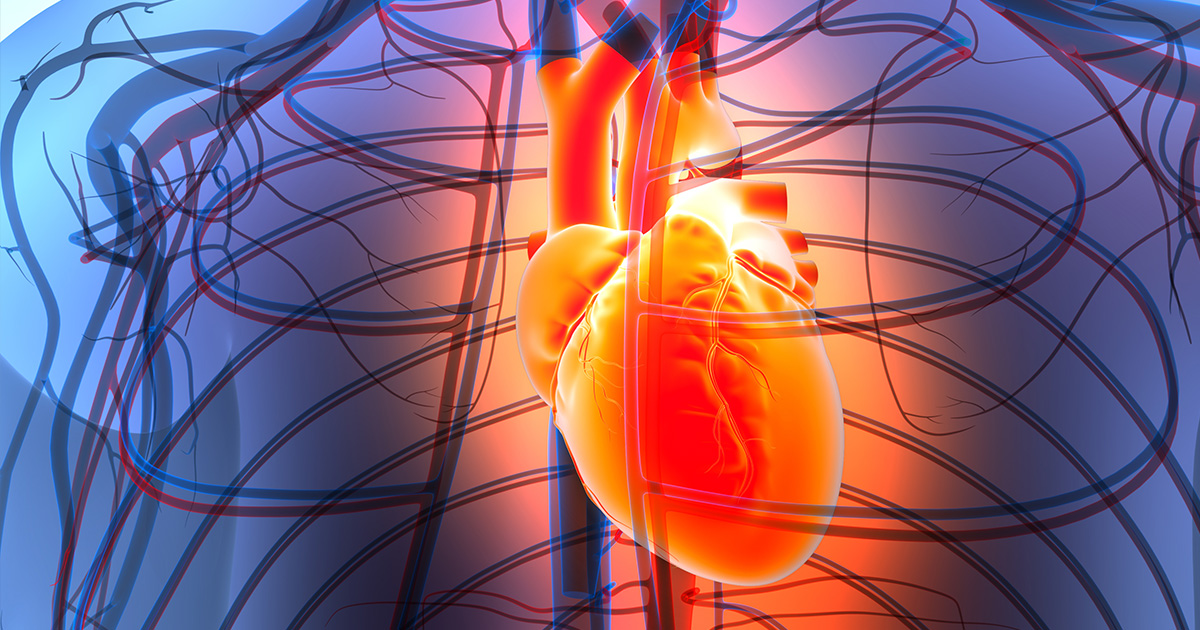
Executive Summary: The Necessity of Training Modification

The management of Atrial Fibrillation (Afib) in the Masters athlete (defined generally as age 35 and above, and specifically in this context as 50+) presents a critical challenge that necessitates a nuanced shift in training philosophy. While chronic endurance training offers broad cardiovascular benefits, it is fundamentally a dose-dependent risk factor for atrial arrhythmias. For an athlete who has undergone treatment (ablation or pharmacological therapy) for Afib, continuing intense, high-volume training carries a substantial probability of arrhythmia recurrence and disease progression.
New research from the University of California, Riverside suggests microplastics may directly accelerate heart disease — especially in males.
Here’s what the study uncovered, explained as simple Q&A.

Q: What exactly are microplastics?

A: Microplastics are tiny plastic particles released from:

Food packaging
Clothing and textiles
Household plastics
Industrial waste
Cardiovascular prevention prioritizes proven interventions: cholesterol management, blood pressure control, smoking cessation, and lifestyle optimization. However, homocysteine is an additional modifiable risk factor—an amino acid linked to endothelial dysfunction and thrombosis. Supplements supplying the active cofactors for homocysteine metabolism—L-methylfolate (5-MTHF), methylcobalamin (active B-12), and pyridoxal-5-phosphate (P-5-P, active B-6)—reliably lower homocysteine levels. This Q&A explains the mechanism, the evidence regarding cardiovascular outcomes, product quality verification, and clinical integration.
Background: Coronary atherosclerosis, long thought to be an inexorably progressive disease, is now recognized as biologically reversible under specific metabolic and inflammatory conditions. Imaging studies using intravascular ultrasound (IVUS), coronary computed tomography angiography (CCTA), and quantitative coronary angiography (QCA) consistently demonstrate that aggressive lipid lowering or comprehensive lifestyle change can induce measurable regression of plaque burden. However, luminal area often fails to expand in parallel—a phenomenon termed the lumen paradox. For endurance athletes, who rely on high coronary flow reserve and robust endothelial responsiveness, understanding this paradox is crucial.
Receive the latest news

Subscribe To Our Newsletter

Get notified about new articles.