 Can an elite athlete have heart disease?
Short answer: yes. I’m a lifelong endurance cyclist – now 65 years old – with three national records and two world records. I once believed fitness was protection. But heart disease doesn’t care how fit you are. This is how I went from five blocked arteries to another world record – and what athletes can do to protect their hearts.
A family history I couldn’t out-train
Heart disease runs in my family: my parents, brothers, uncle, and grandfather all died from heart attacks. In 2010, despite solid training, my cycling power began to decline. I had no classic symptoms—just worsening performance. My initial workup looked “normal,” so I was sent home. The decline continued.
Testing at max effort exposed the truth
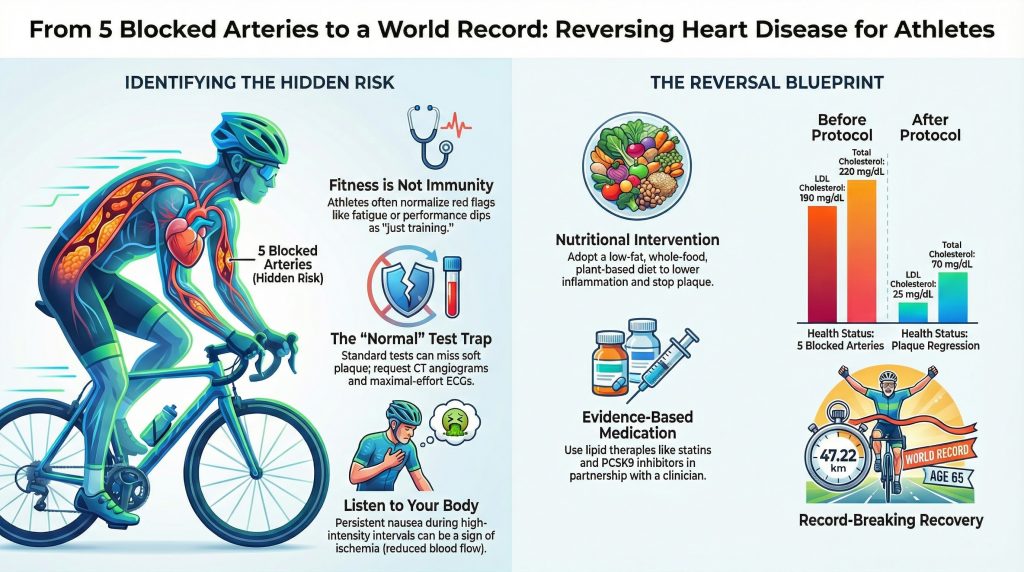
As a competitive cyclist, I requested a VO₂ Max test with a 12-lead ECG performed on the bike at maximal effort. Only at near-maximum did ischemia show up—reduced blood flow to the heart muscle. An angiogram confirmed five significant blockages, one over 65%. A stent was placed. Six months later, I felt worse. Time for a new plan.
The approach that reversed my disease
I read Prevent and Reverse Heart Disease: The Revolutionary, Scientifically Proven, Nutrition-Based Cure by Dr. Caldwell Esselstyn and adopted a low-fat, whole-food, plant-based diet. With my physician, I layered in evidence-based lipid therapies—statins, Repatha (PCSK9 inhibitor), niacin, and Zetia.
- LDL cholesterol: 180 → 25 mg/dL
- Total cholesterol: 220 → 70 mg/dL
Follow-up angiograms showed regression of plaque, and my power returned.
 A comeback and a world record at 65
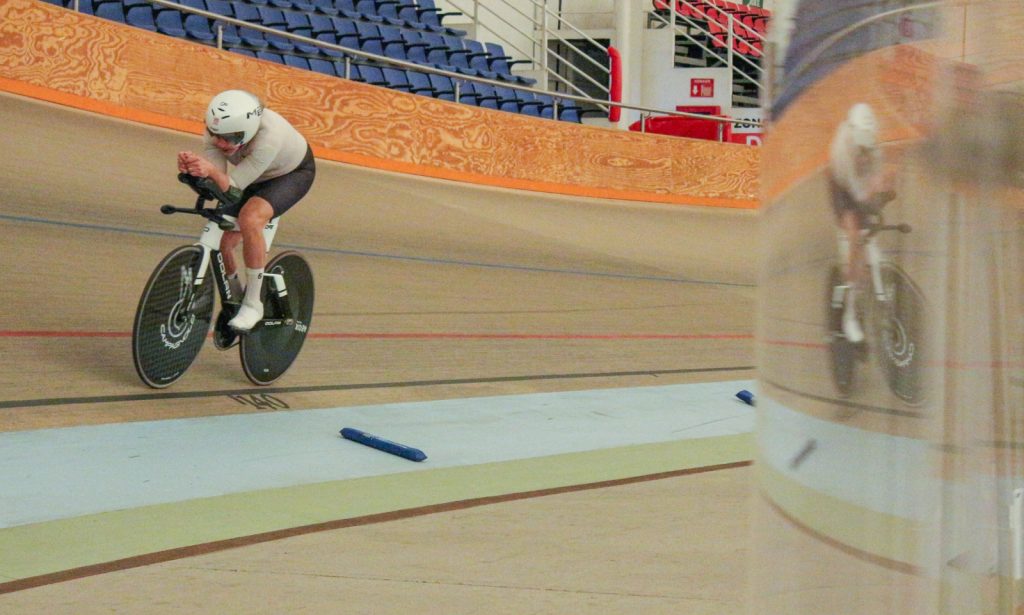
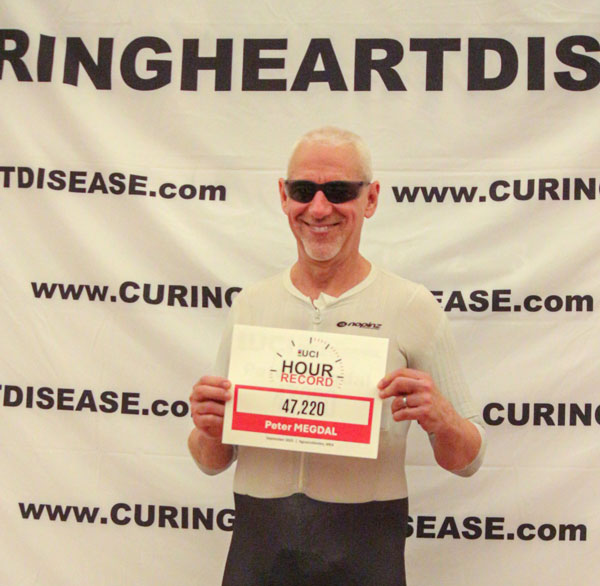
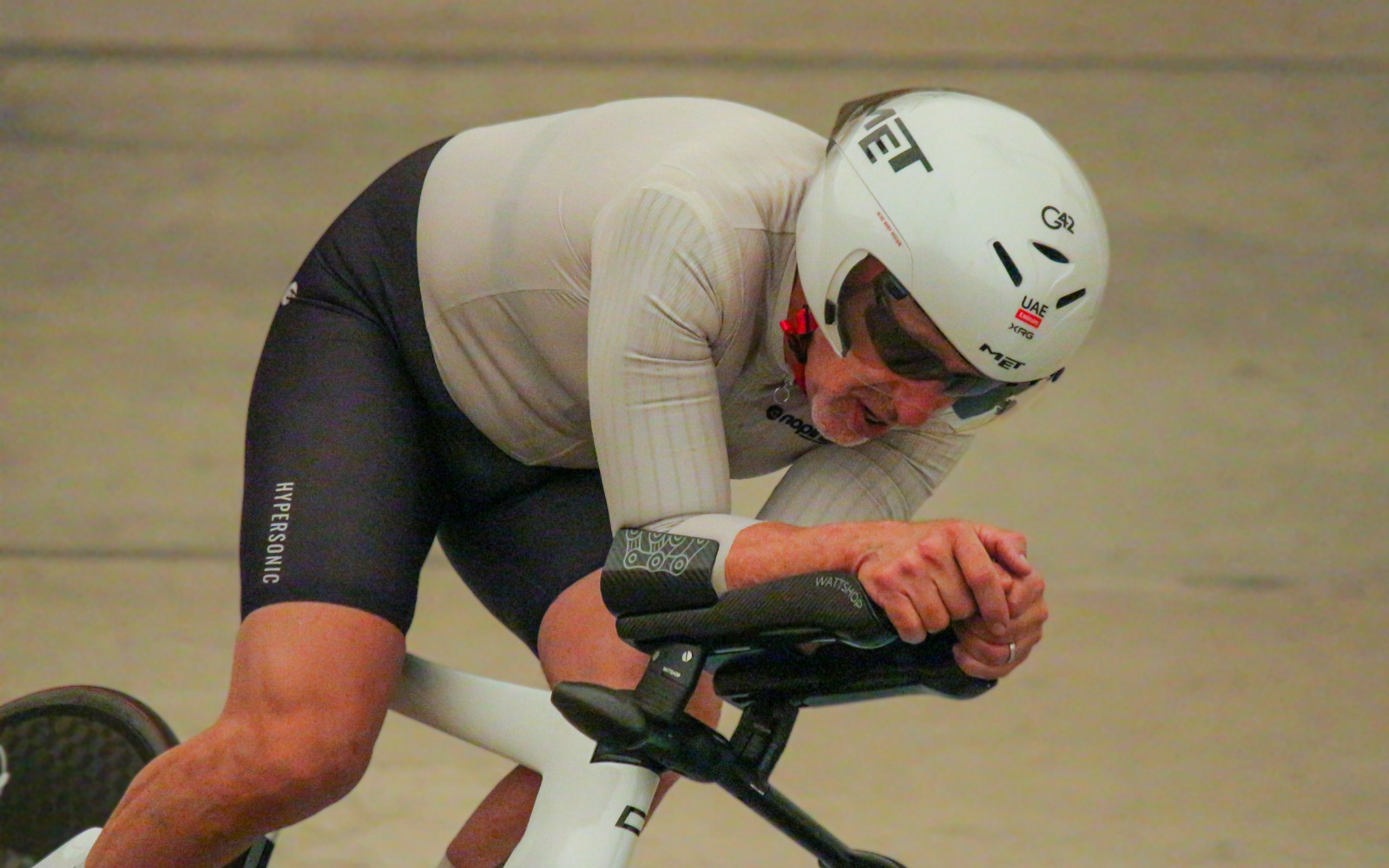
In September 2025, at age 65, I set my second world record for the one-hour cycling time trial: 47.22 km (29.34 miles) from a standing start—unaided—exceeding the previous mark by more than a kilometer.
Why so many athletes miss the signs
Athletes often normalize fatigue, nausea, or performance dips as “just training.” In my case, interval-session nausea was actually ischemia. Many people develop plaque silently, so fitness ≠ immunity.
The science of reversal
Decades of research—by Dr. Esselstyn, Dr. Dean Ornish, and others—shows a low-fat, whole-food, plant-based diet can halt and even reverse atherosclerosis. Population patterns echo this: in places like Ikaria, Greece, and rural China, where diets skew plant-based and low-fat, heart disease is rare.
For an engaging overview of plant-based performance and cardiac health, see the documentaries The Game Changers and Forks Over Knives.
CT angiogram vs. calcium score
Choose a CT angiogram when possible. A calcium score only detects calcified plaque, missing many “soft” plaques. A CT angiogram visualizes both, providing a clearer risk picture.
Blueprint: nutrition, meds & monitoring
- Adopt a whole-food, plant-based diet to lower inflammation and improve lipids—great for health and performance.
- Use medication when appropriate (e.g., statins, PCSK9 inhibitors, niacin, Zetia) alongside diet.
- Monitor progress with advanced lipids and imaging in partnership with your clinician.
- Listen to your body—sustained fatigue, reduced endurance, or exertional nausea can be red flags.
My mission: helping others heal
I now share what worked for me through seminars for physicians and the public and one-on-one consulting at curingheartdisease.com. My message is simple: heart disease is largely preventable—and often reversible.
Fitness isn’t immunity — but knowledge, nutrition, and determination can be your cure.
Disclaimer: This article shares personal experience and educational information and is not medical advice. Consult your healthcare professional for individualized care.
Related Post
Reversal of Coronary Atherosclerosis: Mechanistic Insights from Human and Primate Studies